
 AUS
Australia
AUS
Australia
 IND
India
IND
India
 UAE
UAE
UAE
UAE
 CA
Canada
CA
Canada
 SL
Srilanka
SL
Srilanka
Choosing where and what to study in Australia is one of the biggest decisions international students face. With so many options – from Vocational Education and Training (VET) and TAFE to Higher Education — it’s easy to feel overwhelmed. Each pathway leads to different qualifications, skills, and career outcomes, and understanding the difference is key to making an informed choice.
Australia’s education system is designed to be flexible, allowing students to progress from one level to another depending on their goals. Whether you want to gain practical skills, earn a professional degree, or plan for a PR pathway, there’s a study option to suit every ambition.
At Aussizz Group, our experienced education counsellors help students navigate this system with confidence – from course selection and admission to visa application (Subclass 500) and career planning.
Understanding the Australian Education Framework
Australia’s education system operates under the Australian Qualifications Framework (AQF), which connects all levels of education – from school to university. This framework ensures consistency, quality, and clear progression routes between qualifications.
Here’s how the key levels fit together:
- VET (Vocational Education and Training): Certificate I–IV, Diploma, Advanced Diploma
- TAFE (Technical and Further Education): Public institutions delivering VET qualifications
- Higher Education: Bachelor’s, Master’s, and Doctoral Degrees
This structured system means you can start with a VET or TAFE qualification and later progress to university if you wish – giving you both practical skills and academic credentials.
What is VET (Vocational Education and Training)?
VET focuses on developing practical, job-ready skills for specific industries. It’s ideal for students who prefer hands-on learning and want to enter the workforce quickly.
Typical qualifications include:
- Certificate I–IV
- Diploma and Advanced Diploma
Popular VET fields include Hospitality, Automotive, Early Childhood Education, IT, Construction, Business, and Community Services.
Why choose VET?
- Shorter and more affordable courses
- Practical training with industry exposure
- Pathway to employment or further study
- Can lead to skilled migration outcomes if your occupation appears on Australia’s PR lists
How Aussizz Group helps:
Our education consultants guide you in selecting VET courses that align with your career goals and migration prospects, ensuring your qualification supports your long-term plans in Australia.
What is TAFE (Technical and Further Education)?
TAFE institutes are government-funded providers that deliver VET qualifications but often with broader facilities, partnerships, and support systems.
Think of TAFE as a public branch of the VET system – offering the same qualifications but through institutions that are owned and regulated by state or territory governments.
Why study at TAFE?
- Nationally recognized qualifications
- Strong industry connections and practical experience
- Affordable tuition fees compared to universities
- Options to articulate (transfer) into a university degree later
For example, a student completing a TAFE Diploma in Information Technology can often enter a Bachelor of IT program at a partner university with advanced standing.
Aussizz Group works closely with TAFE institutions across Australia to help students apply smoothly, meet English and academic requirements, and secure the OSHC (Overseas Student Health Cover) needed for visa lodgement.
What is Higher Education in Australia?
Higher Education refers to university-level study – including Bachelor’s, Master’s, and PhD degrees. These programs focus on academic knowledge, research, and professional training.
Ideal for students who want to:
- Build theoretical and analytical expertise
- Pursue careers in medicine, law, engineering, IT, teaching, or social work
- Obtain globally recognized qualifications
- Become eligible for a post-study work visa (Subclass 485) and PR pathways
Universities in Australia emphasize innovation and employability, offering internships and research opportunities.
Aussizz Group supports students with:
- University selection based on ranking, location, and career goals
- Scholarship guidance and application documentation
- Visa processing and compliance checks to ensure smooth approval
Comparing VET, TAFE, and Higher Education
Choosing the right path depends on your career goals, budget, and migration plans.
For example:
- If you want to become a chef, a VET or TAFE Diploma in Commercial Cookery is ideal.
- If you aim to work as a civil engineer, you’ll need a Bachelor’s degree from a recognized university.
Tip: Many students begin with a TAFE Diploma and later transfer into a university degree – saving money and gaining valuable experience along the way.
How Aussizz Group Helps You Choose the Right Pathway
With so many options available, making the right decision can be overwhelming. That’s where Aussizz Group comes in.
Our expert education consultants and migration agents help you:
- Identify the best course and institution for your goals
- Plan your PR pathway through the right field of study
- Arrange OSHC for your Student Visa (Subclass 500)
- Support you with scholarship applications and admission paperwork
- Assist in transitions to further study or a 485 Post-Study Work Visa after graduation
With 30+ offices globally, including branches in Australia, India, Dubai, Sri Lanka, Hong Kong, and Canada, Aussizz Group has guided thousands of international students toward successful careers and migration outcomes in Australia.
Conclusion: Start Smart, Study Confidently with Aussizz Group
Australia’s education system offers flexibility, opportunity, and endless possibilities – but choosing the right path makes all the difference. Whether you prefer the hands-on learning of VET, the structured environment of TAFE, or the academic depth of Higher Education, your decision today will shape your future career and migration options.
At Aussizz Group, we’re here to help you make that decision confidently. From course selection and visa application to OSHC and post-study migration planning, we guide you every step of the way.
👉 Start your Australian education journey today.
Introduction
Reuniting with loved ones in Australia can be a long and complex journey. Whether you’re an Australian citizen or permanent resident hoping to sponsor your partner, child, or parent – or you’re the potential migrant yourself-this guide gives the latest (2025) information on eligibility, processes, costs, timelines, and challenges. This is designed to help readers make informed decisions and understand what to expect.
If you’re still exploring skilled visa options or want to understand your occupation’s PR prospects, try OccuSearch – your go-to tool for skill occupation search and PR pathway insights.
Why Family Visas Matter for Reuniting in Australia
- The Australian immigration system acknowledges the importance of family unity.
- Partner, Child, and Parent visas form key pathways for families to settle, live, and grow together.
- These visas often lead to permanent residency, enabling access to benefits, work, healthcare, etc.
- For sponsors: bringing family helps with emotional support, childcare, elder-care, and social cohesion.
- For applicants: these visas allow you to live in Australia, sometimes work or study, and build a life with your family.
What Are Partner, Child, and Parent Visas (Australia)?
Here is a breakdown of each visa type, what it’s for, and the main subclasses currently in use.
| Visa Type | Key Purpose | Common Subclasses | Temporary / Permanent | Notes |
| Partner Visa | For spouses or de facto partners of Australian citizens/PR/eligible NZ citizens | 820 & 801 (onshore) / 309 & 100 (offshore) | Temporary → Permanent | Usually two-step process: provisional (temporary) then permanent |
| Child Visa | For dependent children (biological, adopted, step) of Australian citizens/PR | 101 (offshore) / 802 (onshore) | Permanent | Child must satisfy dependency / age / relationship criteria |
| Parent Visa | For parents of Australian citizens or Permanent resident | 103 (Parent) / 804(Aged Parent) /864 (Contributory Aged Parent) / 143 (Contributory Parent visa) /884 (Contributory Aged parent Visa) / 870 (Sponsored Parent, temporary) | Some are permanent, some temporary | “Contributory” options allow faster processing with higher fees; non-contributory have much longer waits |
Notes & distinctions
- Contributory vs non-contributory Parent Visas: Contributory visas require higher fees (often split into instalments) and generally shorter waiting times, whereas non-contributory visas are cheaper but may take many years.
- Temporary bridging visas: For partner or child visa applicants already in Australia, bridging visas often allow them to stay legally while waiting for the decision.
- Some categories have quotas or limits, particularly for parent visas.
- Some of the age parent visa are eligible for bridging visa while the application is in process.
Planning for parents’ or dependents’ arrival? Don’t forget – Australian immigration law requires valid health insurance coverage. Head to GetMyPolicy.online to get instant quotes from Bupa, Medibank, Allianz, and more.
Who Can Apply / Sponsor: Eligibility Criteria?
Sponsorship (for Partner, Child, Parent)
- Sponsor must generally be an Australian citizen, Australian permanent resident, or an eligible New Zealand citizen.
- Sponsor must meet character and health standards, not be subject to prior sponsorship bans, must commit to certain obligations (e.g., financial support).
- For Parent Visas, sponsor often must lodge an Assurance of Support (AoS) to ensure the parent won’t rely on welfare.
Applicant Eligibility: Partner Visas
- Must be a spouse (legally married) or de facto partner (lived together, shared life) of the sponsor.
- Prove a genuine and continuing relationship with evidence (joint financials, communication, social proof, shared residence).
- Meet health and character requirements.
- If applying onshore, must hold a valid visa (or bridging visa) at the time of lodgement.
Applicant Eligibility: Child Visas
- Must be dependent (financially dependent, not employed or earning above threshold).
- Usually under 18; in some cases under 25 if full-time student and financially dependent.
- May include adopted, step, or foster children, subject to additional checks.
- Must satisfy health and character requirements (if applicable).
Applicant Eligibility: Parent Visas
- Must satisfy the Balance of Family Test: at least half of their children must reside permanently in Australia; or more in Australia than in any other single country.
- Must meet health and character requirements.
- Some subclasses require the applicant to be of “aged parent” status (for Aged Parent / 804 / 864/884). Applicant must meet the pension age.
- Some Parent visas are capped annually (limitation on number of grants)
- Applicants needs to be onshore while at the time of Application.
Documents Required for Visa Applications
Below is a general checklist; individual cases may require additional documents or more evidence:
| Visa Type | Key Documents Commonly Required |
| Partner Visa | Identity documents (passport, birth certificates) of both parties; marriage certificate or evidence of de facto relationship (joint leases, utility bills, shared bank accounts, photos, travel, communication logs); Statutory Declarations by friends/family; police certificates / character documents; health assessments / medical reports; proof of sponsor’s status (citizenship / PR); if onshore, current visa / bridging visa documents |
| Child Visa | Child’s identity documents (birth certificate, passport); evidence of dependency and relationship to sponsor (custody documents, adoption papers); evidence of financial support; police checks (if applicable); health checks; identity and status of sponsor; migration status / visa of parent in Australia |
| Parent Visa | Parent’s identity and birth documents; evidence of relationship to sponsor (birth certificates of children, adoption paperwork if relevant); proof of children’s status in Australia; evidence for Balance of Family Test; health and character checks; sponsor’s proof (citizenship / PR), financial documents; assurance of support documents; additional documents for “aged parent” if applying under aged stream |
Always ensure documents are certified and translated (if not in English) by an accepted translator.

Processing Times & Costs (Latest as of 2025)
Processing Times (Indicative)
- Home Affairs publishes Global visa processing times monthly as a guide.
- For Partner Visas:
- Onshore (820 → 801): many applications processed within 24–31 months (75th and 90th percentile for subclass 820).
- Offshore (309 → 100): subclass 309 90% percentile ~18–26 months.
- Some sources suggest 820/801 visas often take from 12 to 29 months, with ~75% in 20 months.
- For Child Visas:
- Subclass 309 (for partner) analogous, but for child: 101 / 802 may take several months to more than a year depending on case. (Exact published times may vary).
- For Parent Visas:
- Non-contributory Parent Visas (103 / 804) may have extremely long waiting periods: up to 30 years or more in some cases.
- Contributory Parent Visa (143) may take 5 to 6 years or more, depending on backlog.
- Some data indicate that for subclass 143, 25% processed in ~48 months, 50% ~58 months, 90% ~70 months.
Important caveat: These are indicative only. Individual processing times may lengthen due to application complexity, missing documents, health/character checks, or departmental backlog.
Costs (Visa Application Charges & Fees)
The Australian Government often revises visa fees, typically annually (e.g., 1 July). In 2025, many visa fees have increased ~3%.
Partner Visa Fees (2025)
- The base application charge for Subclass 820 (onshore) and Subclass 309 (offshore) is AUD 9,095 for the primary applicant (before 1 July 2025). After 1 July 2025 it rises to ~AUD 9,365.
- Additional applicant charge (18+): AUD 4,550 (rising to ~4,685 after 1 July 2025)
- Additional applicant under 18: AUD 2,280 (rising to ~2,345)
Parent Visa Fees (2025)
- Non-contributory Parent Visas (103 / 804):
- First instalment / base charge: approx AUD 5,280
- Second instalment (before visa grant): AUD 2,065 per applicant
- Contributory Parent Visas (143 / 864):
- First instalment / base charge: AUD 5,040 (for main applicant)
- Second (large) instalment before visa grant: AUD 43,600 per applicant (if not already holding a 173 or 884).
- In addition, an Assurance of Support (AoS) bond may be required: for one applicant ~AUD 10,000, two ~AUD 14,000.
- Some sources list the total cost (first + second instalments plus AoS) for contributory parent visas in the tens of thousands (e.g. ~AUD 48,495 in some reports).
Common Challenges, Limitations & Risks in Family Visa Applications
- Long Waiting Times & Backlogs
- Especially for non-contributory parent visas, wait times can stretch decades. Many applicants die while waiting.
- Quota caps on parent visas limit how many can be granted in a year.
- Incomplete or Weak Evidence
- For Partner visas, failure to convincingly prove a genuine and continuing relationship is a common reason for refusal.
- Missing or inconsistent documents (e.g., unverified translations) may stall or reject applications.
- Health & Character Checks
- Medical or criminal record issues may lead to refusal or delays.
- Balance of Family Test Failures
- Many parent visa applicants fail this test, making them ineligible for many parent categories.
- Sponsorship & AoS Obligations
- Sponsors must meet income thresholds, cannot owe government debts, and are bound by legal obligations for support.
- Changes in Policy / Fees / Quotas
- Visa rules, fees, and quotas are subject to change (annual adjustments, government policy shifts).
- Bridging Visa Limitations
- While awaiting outcome, bridging visas may restrict travel or have limited work rights.
- Refusals / Appeals
- If refused, applicants may have limited review rights (e.g., review by the Administrative Appeals Tribunal, or ministerial intervention), and must sometimes reapply with stronger evidence.
How to Sponsor a Partner, Child, or Parent: Step-by-Step?
Here’s a general roadmap to sponsorship and application:
- Check your eligibility (both sponsor and applicant).
- Gather documents (identity, relationship, financial, health, character).
- Create an ImmiAccount (on the Department of Home Affairs website).
- Lodge the visa application online (or in rare cases, by paper).
- Pay visa charges (first instalment).
- Health and character checks: attend medical exams, police clearances.
- Provide additional information if requested by Home Affairs.
- Wait for a decision; if applying onshore, you may be granted a Bridging Visa enabling you to stay while waiting.
- For parent contributory visas: pay the second instalment before grant.
- Once approved, travel to / settle in Australia, and fulfill any post-grant obligations (e.g., sponsor obligations, AoS monitoring).
Frequently Asked Questions (2025 edition)
- What is the difference between a temporary and permanent partner visa?
The first stage (e.g. subclass 820 / 309) is a temporary visa; after fulfilling criteria, the permanent stage (subclass 801 / 100) may be granted. - What is the Balance of Family Test?
A parent must have at least half of their children permanently residing in Australia, or more in Australia than in any other country. - Can a temporary resident sponsor a partner visa?
Generally no, unless specific conditions allow. The sponsor is usually required to be an Australian citizen, PR, or eligible NZ citizen. - What age limits apply for child visas?
Usually under 18; in some cases under 25 if full-time student and financially dependent. - How much evidence is needed to prove a genuine relationship?
The more the better-joint finances, communications, photos, shared travel, statements, joint property, social proof. - Can I include a child in my partner visa application?
Yes, dependent children may be included (if eligible) as part of the same application. - How to check the status of a family visa application?
Use your ImmiAccount to check progress, or use VEVO if your visa is granted. - What health and character requirements apply?
Medical examinations by approved doctors; police clearances for all jurisdictions lived in; in some cases chest x-rays and other tests. - Can I work while my partner visa is being processed?
If granted a bridging visa with work rights, yes (subject to conditions). - What happens if my visa application is refused?
You may have merits review rights (through ART) or ministerial review avenues. You can reapply but addressing the reasons for refusal.
Final Notes & Recommendations
- Always check the official Home Affairs website and the Global visa processing times tool for the most current estimates.
- Be meticulous with documentation and translations.
- Consider engaging a registered migration agent (e.g. Aussizz Group) to help with complex or high-value cases.
- Parent visa applicants should be aware of the long wait times and limited quotas.
- Keep in mind that visa rules and fees often change (usually on 1 July). For example, 2025 saw ~3% increases in many visa charges.
Introduction
You’ve poured your heart into your Australian visa application, but you’ve just received a refusal letter. What now? Do you have any options to stay in Australia?
The Administrative Review Tribunal (ART) is the new body replacing the Administrative Appeals Tribunal (AAT) in 2024. It reviews migration, refugee, and sponsorship decisions made by the Department of Home Affairs. For many, it is the only chance to challenge a refusal or cancellation and keep their Australian dream alive.
This guide explains what ART is, who can apply, the costs, deadlines, and the exact steps involved in appealing your case, with insights from Aussizz Group, one of Australia’s leading migration service providers.
Why ART matters for Visa Applicants
The Administrative Review Tribunal (ART) is critical because it ensures fairness in immigration decisions. If your visa has been refused or cancelled, you may be eligible for a merits review, where an independent tribunal reassesses the decision.
ART as Your Path to Staying in Australia
- It prevents deportation during the review period.
- It allows applicants to stay lawfully on a bridging visa while their case is decided.
- A successful review could reinstate your visa or open a pathway to permanent residency.
What is the Administrative Review Tribunal (ART)?
The ART was established in 2024, streamlining processes and replacing the former AAT.
- Scope: Reviews migration, protection, sponsorship, and citizenship refusals or cancellations.
- Difference from AAT: ART operates with updated procedures, stricter timelines, and a clearer appeals framework.
Types of Decisions ART Reviews
- Student visas (e.g., Subclass 500)
- Skilled visas (e.g., Subclass 482, 186, 494)
- Partner & family visas
- Protection visas (Subclass 866)
- Sponsorship and nomination decisions
- Citizenship refusals or cancellations
Who Can Apply for an ART Review?
Not every decision is reviewable. Here’s who can apply:
- Individuals: Applicants whose visa was refused or cancelled.
- Sponsors/Employers: If a sponsorship or nomination application is refused.
- Refugees/Protection applicants: Those rejected under humanitarian grounds.
Important Limitations
- Decisions made personally by the Minister for Immigration/Home Affairs cannot be reviewed.
- Strict deadlines apply – missing them usually means losing your right to appeal.
- Certain decisions are not reviewable for e.g., where applicant was not inside Australia at the time of visa application or at the time of ART application.
How to Apply for an ART Visa Appeal
Step-by-Step Process
- Check Eligibility – Confirm your visa decision is reviewable.
- Check the Deadline – Usually 7 to 28 days depending on factors such as whether it is a refusal, character related refusal, cancellation etc.
- Prepare Documents – Decision letter, identity proof, supporting evidence.
- Submit Application – Online via the ART portal or by post.
- Pay the Fee – Standard review fees apply (see below).
- Attend Hearing – In person, virtually, or through written submissions.
Time Limits and Fees for ART Appeals
- Student & Skilled Visas: Generally, 28 days from the decision.
- Character-related refusals: As little as 7 days.
- Protection visas: Strict deadlines outlined in refusal notice.
- Fees (as of 2025):
- Standard application: AUD $3,580
- Protection visa: AUD $0 (no fee)
- Concessions may apply in cases of financial hardship.
- If successful, 50% of the fee may be refunded.
The ART Review Process: What to Expect
Once your application is lodged:
- ART assigns a Member to review your documents.
- You may be asked for additional evidence.
- Hearings can be in-person or virtual (through video call or telephone)
- A bridging visa may allow you to stay lawfully during the appeal.
How Long Does an ART Appeal Take?
Timelines vary:
- Student visas: 10-18 months
- Skilled/work visas: 12 to 24 months
- Family/Partner visas: 24-36 months
- Protection visas: Can extend further depending on case complexity
Challenges in ART Appeals and How to Overcome Them
Common Challenges
- Tight deadlines
- Complex documentation
- Language barriers
- Lack of legal knowledge
Solutions
- Hire a registered migration agent
- Request an interpreter if English is a barrier
- Apply for disability support if required
What If Your ART Appeal Fails?
- You may escalate to the Federal Court (judicial review).
- In some cases, you can reapply for a different visa.
Why Choose Professional Help for ART Appeals?
Applying for ART reviews is complex. Missing a document or a deadline can cost you your chance to stay in Australia.
Benefits of Aussizz Group’s ART Services
- Registered migration agents with deep knowledge of ART processes.
- Tailored strategies for student, skilled, protection, or partner visa appeals.
- Proven track record with thousands of successful outcomes.
- End-to-end support: From preparing documents to representation at hearings.
ART Appeals Across Australia
- The Administrative Review Tribunal is a national body — it reviews migration and visa decisions across all states and territories. Cases are usually allocated based on your residential address and the Tribunal’s workload management systems, not by visa type.
- While some registries, like Sydney and Melbourne, may have higher caseloads and longer waiting times, hearings can be conducted in-person, by phone, or online, ensuring you can access a review no matter where you live in Australia.
- At Aussizz Group, we assist clients with all ART appeals nationwide, including student visas, skilled visas, partner visas, protection visas, and employer-sponsored cases.
Frequently Asked Questions
What is the Administrative Review Tribunal (ART)?
The ART is an independent body that reviews visa refusals, cancellations, and sponsorship decisions.
How long does an ART appeal take?
Anywhere from 6-36 months depending on visa type.
What are the fees for an ART review?
AUD $3,580(standard cases), no fee for protection visas.
Can I stay in Australia during an appeal?
Yes, you may be eligible for a bridging visa.
What happens if my appeal is rejected?
You may escalate to the Federal Court or apply for a different visa if eligible.
Can Aussizz Group help?
Yes – Aussizz Group provides expert advice, documentation support, and representation throughout your ART appeal.
Conclusion
The Administrative Review Tribunal (ART) is a lifeline for applicants facing visa refusals or cancellations. While the process is complex, with strict deadlines and detailed evidence requirements, the right guidance can make all the difference.
With Aussizz Group’s expertise, you don’t have to navigate this alone. Our experienced migration agents help students, skilled workers, refugees, and sponsors secure successful outcomes.
👉 Start Your ART Visa Appeal Journey with Aussizz Group
Australia continues to attract skilled talent, and now it’s official – Victoria has opened its 2025-26 Skilled Migration Visa Nomination Program with an interim allocation of spots for subclass 190 (Skilled Nominated Visa) and subclass 491 (Skilled Work Regional Visa).
For migrants, this is the golden moment to secure a pathway into one of Australia’s most dynamic states. At Aussizz Group, with over 180,000+ successful visa grants, we’re here to ensure you’re among the first to benefit from this opportunity.
Why This Matters
The federal government has set Australia’s 2025–26 Migration Program ceiling at 185,000 places, with 71% reserved for the Skilled Stream. State and territory nomination programs like Victoria’s are one of the most accessible pathways for international professionals.
For Victoria, this means:
- Subclass 190 (PR pathway) → For skilled professionals nominated by Victoria.
- Subclass 491 (Provisional, regional pathway) → For skilled migrants willing to live and work in regional Victoria.
Both visas create pathways to permanent residency, making them highly sought-after.
Interim Allocation: What’s Available Now
Victoria has confirmed an interim allocation while awaiting its full program quota:
- 200 places for Subclass 190
- 180 places for Subclass 491
This means only a limited number of nominations are available until the full allocation from the Commonwealth is announced. Acting early increases your chances of success.
👉 Key point: If you already submitted a Registration of Interest (ROI) in 2024-25, your ROI remains valid and will automatically be considered for the 2025-26 program. If your circumstances change, you can submit an updated ROI.
Who Can Apply for Victoria’s 2025-26 Nomination?
To apply for Victoria’s nomination, you must:
- Lodge a SkillSelect Expression of Interest (EOI) with the Department of Home Affairs.
- Submit a Registration of Interest (ROI) through Victoria’s Live in Melbourne portal.
- Meet minimum requirements:
- Age under 45
- Competent English
- Positive skills assessment in a nominated occupation
- Points test eligibility (minimum 65 points)
Priority Sectors in Victoria
Victoria continues to align skilled migration with its economic needs. The following industries are priority sectors:
- Health & Social Services
- Education & Early Childhood
- Medical Technologies & Pharmaceuticals
- Digital Technology & ICT
- Construction & Transport Technologies
- New Energy & Emissions Reduction
- Food, Fibre & Agribusiness
- Creative Industries
Applicants with skills and experience in these sectors are more likely to receive invitations.
Frequently Asked Questions (FAQs)
- Is Victoria’s 2025-26 Skilled Migration Program open?
- Yes. As of October 2025, Victoria has officially opened the program with an interim allocation of subclass 190 and 491 visas.
- How many spots are available right now?
- Victoria has 200 subclass 190 spots and 180 subclass 491 spots available in its interim allocation. Full quotas will be released later this financial year.
- Do I need to resubmit my ROI if I applied in 2024-25?
- No. Existing ROIs remain valid for 2025-26. However, if your circumstances (occupation, English, partner skills, etc.) have changed, you should update your ROI.
- What are the benefits of Victoria’s nomination?
- Additional points towards your visa application.
- Priority processing.
- A clear pathway to Australian permanent residency.
- Opportunities to live and work in Victoria’s metropolitan or regional areas.
- How competitive is the program?
- Extremely competitive. Victoria receives far more ROIs than available places. Factors like English proficiency, years of work experience, education level, and occupation sector influence selection.
- 6. Can overseas applicants apply?
- Yes. Victoria welcomes both onshore and offshore applicants who meet the eligibility criteria.
How to Maximise Your Chances
- Submit / update your EOI & ROI immediately.
- Target Victoria’s priority sectors when highlighting your skills.
- Ensure documentation is flawless: skills assessment, English test, work references, etc.
- Get expert help to avoid mistakes that could cost your nomination.
Why Choose Aussizz Group?
With more than 180,000+ visas granted, Aussizz Group is trusted by skilled professionals worldwide.
- Proven success with skilled and state nomination visas.
- Up-to-date advice on Victoria’s latest migration rules.
- Tailored strategy to boost your ROI ranking.
- End-to-end guidance from EOI to visa grant.
When seats are limited, having a migration partner who knows the system inside-out is your biggest advantage.
Final Thoughts
Victoria’s 2025-26 Skilled Migration Visa Nomination Program is officially open – but only with a small interim quota. If you’ve been planning your move, this is your chance to act.
With Aussizz Group by your side, you don’t just submit an application – you position yourself strategically for success.
👉 Start your Victoria skilled migration journey with Aussizz today – and secure your pathway to Australia.
What is a Skills Assessment?
A skills assessment is a formal evaluation by an authority designated by the Australian Government to verify whether your qualifications, work experience, and skills are comparable to Australian standards for your nominated occupation (ANZSCO code). It is a mandatory requirement for many Skilled Migration visas. It serves two primary purposes:
- Confirms you have the competency needed for the job you nominate under the Skilled Occupation List.
- Helps the Department of Home Affairs and State/Territory governments assess eligibility for visa subclasses (e.g., 189, 190, 491) under the General Skilled Migration (GSM) stream.
Who Needs It?
You will need a skills assessment if you are applying under:
- Subclass 189 (Skilled Independent)
- Subclass 190 (State Nominated)
- Subclass 491 (Skilled Work Regional)
- Subclass 186 under Direct Entry
- Some other employer‑sponsored visas, depending on the specific subclass and occupation also requires skill assessment.
- Skill assessment for employer sponsored visa under DAMA program is also required.
- Temporary Graduate visas (Subclass 485), for vocational stream, though the requirements may be less stringent than the other visas mentioned above.
Designated Assessing Authorities
Each occupation has a specific Skills Assessing Authority. Some of the main ones include:
| Authority | Occupation Types / Notes |
| ACS (Australian Computer Society) | ICT / IT professions |
| Engineers Australia (EA) | Engineering occupations |
| VETASSESS | Many general & professional occupations |
| Trades Recognition Australia (TRA) | Trades / technical occupations |
| ANMAC | Nursing & midwifery professions |
There are 38 assessing authorities covering different professions.
Key Criteria / What They Look At
Skill Assessment criteria varies depending on the occupation and skill assessment authority. However, when you apply for skills assessment, most of the assessment authorities will assess:
- Academic qualifications – whether your degrees or diplomas meet the Australian standard for that occupation. Includes checking transcripts, subject details, institutions, etc.
- Work experience – the nature of your employment (full‑time, part‑time), period, duties, responsibilities mapped to the ANZSCO‐level description. Reference letters are very important.
- English language proficiency, where relevant (sometimes for certain assessing authorities you need to submit proof of English competence).
- Other requirements depending on occupation – e.g. licencing/registration (health, engineering, etc.), professional memberships, certification of specific skills.
Validity
- A positive skills assessment is generally valid for 2‑3 years for migration use. The validity span may depend on the assessing authority and your occupation. You are required to have valid skill assessment usually at the time of applying for the visa application.
Costs & Processing Time
- Cost varies a lot by occupation and authority. It usually ranges between AUD 500 to AUD 1,500 for most skill assessments.
- Example: ACS fees – General Skills Assessment is $1450, Post‑Australia Study pathway is $1100, etc.
- Processing Time varies. It could be 6‑8 weeks or more. Some authorities (for health, engineering, trades) may take several months depending on volume, whether extra evidence is needed, etc. Some assessment authorities offer priority/fast tracker processing at no cost or at a certain cost. You may also be required to meet additional criteria to request priority processing.
Recent Changes / Key Points in 2025
- Authorities have updated fee structures; for example, ACS has differentiated fees for different pathways (general, post‑study, etc.).
- There is more emphasis on having up‑to‑date documentation, well‑prepared evidence (detailed job descriptions, certified translations if not in English). Missing or imprecise documents can lead to delays.
- Some assessing bodies have introduced priority processing options or faster streams for certain occupations.
Common Pitfalls & Tips
- Choosing the correct ANZSCO code for your occupation is critical. Mismatches here can lead to failed assessment. Assessment authority usually does not choose occupation for the applicant, applicant is required to nominate the occupation in which he/she feels that his/her skills are aligned/meeting criteria.
- Work experience descriptions must clearly show that your duties align with the role definition. Generic statements may not satisfy the authority.
- If your qualification is from a less common or international institution, ensure that its recognition or comparability is established; you may need extra documents like course syllabus, institution accreditation.
- Be mindful of validity of documents (e.g. English test scores are valid for certain period).
- Submit all documents certified / translated as needed. Delays often come from missing or improperly certified documents.
How to Apply – Step by Step
Here is a general step‑by‑step flow:
- Check your occupation: Find the ANZSCO code, see which assessing authority applies.
- Gather documents: Academic certificates/transcripts, employment references, portfolios (if needed), English test results, identity documents.
- Check assessing authority requirements: Each authority’s website will list specific document checklists, formatting, evidence type, etc.
- Submit your application & pay fees. Some allow online submission.
- Respond to any requests for additional information if your assessment is given “incomplete” due to missing evidence.
- Receive the assessment outcome: If positive, it will state if you meet requirements for your occupation. If negative, you may be able to appeal or apply under a different pathway (if options exist).
- Use the outcome in migration steps: When you lodge your EOI, apply for visa, etc., include the skills assessment. Ensure it’s still valid.
Where Skills Assessment Fits in the PR Process
Putting this in the bigger picture, the PR process under General Skilled Migration (GSM) usually follows:
- Determine eligibility (age, English, qualifications, skills, etc.).
- Skills Assessment – get this done before lodging EOI for visa subclasses like 189, 190, 491.
- Submit Expression of Interest (EOI) via SkillSelect.
- Receive an invitation to apply (ITA) based on points.
- Lodge visa application, including health checks, character checks, etc.
A successful skills assessment is a gatekeeper in this system – without it, you cannot move ahead in many pathways.
Final Thoughts
- Start early: skills assessment can be time‑consuming.
- Be thorough: better to spend more time preparing strong documentation than face delays
- Monitor fees and rules for your assessing authority – these change.
- If unsure, consult with a registered migration agent or official migration advice (keeping in mind agent cost vs risk of mistakes).
Introduction
You’re a skilled professional in Australia, and your employer wants to keep you longer – but what visa makes that possible?
In this guide, we’ll explain:
- What an employer-sponsored visa means
- The different types (482 (now, SID visa)/ 186 / 494 / 191)
- Eligibility, experience requirements, and PR (permanent residency) pathways
- How international students and skilled workers can transition to sponsorship
Why Employer Sponsored Visas Matter
Why are employer-sponsored visas important for workers and employers in Australia?
- Address skill shortages: Industries like health, hospitality, IT, construction, and trade often rely on overseas workers.
- Path to permanent residency: Many employer sponsorship visas offer pathways to PR under certain conditions.
- Retention of talent: Employers can secure long-term skilled staff rather than losing them as their temporary permits expire.
Employer Sponsored Visa as a Bridge to PR
A typical pathway (updated) looks like this:
Skills in Demand (SID, formerly 457) → 186 (ENS, permanent visa)
or
494 (regional, provisional) → 191 (permanent regional visa)
Types of Employer Sponsored Visas
What visas are available under employer sponsorship in Australia?
| Visa Subclass | Type | Purpose / Who it’s for | Key Features & Requirements | PR Pathway |
| Skills in Demand (SID) (replaced old 457 TSS) | Temporary (up to 4 years) | Skilled workers sponsored by an approved employer in shortage occupations | • Introduced Dec 2024, replacing 457 • Streams: Core Skills, Specialist Skills, Labour Agreement • Reduced experience requirement: 1 year (was 2) • Must meet English, skills, health, and occupation list rules | Can transition to 186 (ENS) after 2 years full-time sponsored employment (TRT stream) |
| Subclass 186 (Employer Nomination Scheme, ENS) | Permanent | Workers sponsored by employers for long-term critical skills | • Three streams: 1. Temporary Residence Transition (TRT) 2. Direct Entry (DE) 3. Labour Agreement • Age usually <45 (exemptions apply) • DE requires skills assessment & 3 yrs skilled experience • TRT requires 2 yrs on SID/482 | Grants Permanent Residency directly |
| Subclass 494 (Skilled Employer Sponsored Regional) | Provisional (5 years) | Skilled workers willing to live & work in designated regional Australia | • Employer and the position must be in regional area • Must live & work in region under the nominated employer • Full work & study rights • Can include family • Regional compliance conditions apply | Eligible to apply for 191 (Permanent Regional) after 3 yrs in regional work |
| Subclass 191 (Permanent Residence – Skilled Regional) | Permanent | For 494 holders (and some others) who’ve met regional obligations | • Must have lived & worked in regional area for at least 3 yrs • Health, character, and residency requirements apply | Grants Permanent Residency |
Eligibility for Employer Sponsored Visa
Are you eligible for an employer sponsored visa?
You must:
- Have an occupation on the Core Skills Occupation List (CSOL) or other relevant lists.
- Be nominated by an approved employer.
- Meet English language, age (usually under 45), and skills criteria.
Work Experience Requirements
- Skills in Demand (SID, replacing 482): At least 1 year of full-time relevant skilled employment in the last 5 years.
- 186 visa:
- Temporary Residence Transition (TRT) stream: At least 2 years with a sponsoring employer on a SID/482 visa.
- Direct Entry stream: Generally 3 years’ relevant skilled experience (plus a positive skills assessment).
Applying for an Employer Sponsored Visa
How to apply for an employer sponsored visa in Australia?
Step 1: Employer Nomination
- The employer must prove genuine need (Labour Market Testing), financial capacity and meet salary standards (e.g. Annual Market Salary Rate).
Step 2: Visa Application
- Provide evidence of relevant qualifications and work experience, submit skills assessment (if required), English test, and health & character checks.
Step 3: Approval
- Visa granted once both nomination and visa application are approved.
Employer’s Role
Employers must:
- Prove labour shortages.
- Prove genuine need for the position and show financial capacity to support the positon
- Pay the Skilling Australians Fund (SAF) levy.
- Ensure salary is at least the Annual Market Salary Rate (AMSR) and meets the Temporary Skilled Migration Income Threshold (TSMIT).
Rights & Obligations on an Employer Sponsored Visa
Requirements to be followed after receiving an employer-sponsored visa
- Work only in your nominated occupation.
- Stay with your sponsoring employer until eligible for PR.
- Sponsoring employer can be changed in the same occupation
- Live in regional areas if on a 494 visa.
- Bring dependents (spouse and children).
Do I Have to Stay With My Employer for 186?
- Before PR grant: You must stay with your sponsoring employer.
- After PR grant: No legal requirement to remain but leaving too soon may raise concerns about genuine intent.
Pathway to Permanent Residency
Can you apply for PR after 2 years in Australia on an employer sponsored visa?
Yes. Many Skills in Demand (SID, replacing 457) visa holders can transition to PR via the 186 visa after 2 years of working for their sponsoring employer (under the Temporary Residence Transition stream).
Regional visa holders (494) can apply for Subclass 191 after 3 years, provided they adhere to the conditions of their subclass 494 visa.
Temporary to Permanent Transition
- SID (replacing 482) → 186: Employer Nomination Scheme pathway.
- 494 → 191: Permanent regional pathway (requires meeting income threshold for 3 of the last 5 years).
Common Issues with Employer Sponsored Visas
Common challenges faced by applicants with Employer Sponsored Visa
- Employers unwilling to nominate due to costs or obligations.
- Skills assessment delays.
- Meeting English/age criteria.
What If You Change Jobs?
- On a SID visa, if your employment ends, you have 180 consecutive days, or up to 365 days in total during your visa period, to find another sponsor before your visa is at risk.
- On a 186 (PR), you’re free to change employers after grant, though leaving too soon may raise questions about genuine intent.
Employer Sponsored Visa by Occupation & Industry
- Healthcare workers (nurses, aged care, doctors).
- IT professionals (software engineers, analysts).
- Tradespeople (plumbers, electricians, welders).
- Regional workers, including those sponsored under DAMA agreements.
Occupations Outside Standard Lists
Through DAMA (Designated Area Migration Agreements), regional employers can sponsor workers in occupations not usually on the standard skilled lists (e.g., aged care, farm workers, hospitality, trades). DAMA also allows concessions such as higher age limits (up to 55), lower English requirements, and work experience waivers.
Frequently Asked Questions
What is the meaning of employer sponsored visa?
It’s a visa where an Australian employer sponsors a skilled worker to fill a role they can’t source locally.
What’s the difference between SID and 186 visas?
The Skills in Demand (SID) visa (replaced the old 457 in Nov 2024) is temporary and valid for up to 4 years.
The 186 Employer Nomination Scheme (ENS) visa is a permanent residency visa.
Can I apply for PR after 2 years on a sponsored visa?
Yes, through the 186 ENS pathway, if you’ve worked with your sponsoring employer for 2 years on a SID visa (Temporary Residence Transition stream).
How much work experience is required for a 186 visa?
- Direct Entry stream: Usually 3 years of relevant full-time skilled work experience plus a positive skills assessment.
- Temporary Residence Transition stream: 2 years with your sponsoring employer on a SID visa.
How much work experience is required for a SID visa?
At least 1 year of full-time relevant skilled employment in the last 5 years plus relevant qualifications of experience in lieu of it.
If I studied in a regional area, does that help?
Yes – it makes you eligible for the Second PHW (extension) and strengthens your points for PR.
Do I have to stay with my employer for 186 PR?
Yes, until your PR is granted. After grant, you’re not legally bound, though leaving too early may raise questions about genuine intent.
Can dependents be included?
Yes, spouses and children can be added.
What’s the age limit for employer sponsored visas?
Generally under 45, though exemptions and DAMA concessions (up to 55) apply.
Conclusion & Call to Action
Employer sponsored visas are one of the most reliable ways to work and live in Australia long-term. They benefit both skilled workers and employers by creating stability and clear PR opportunities.
👉 Ready to explore your employer sponsored visa options?
Start Your Employer Sponsored Visa Journey with Aussizz Group today.
At Aussizz Group, innovation isn’t a buzzword – it’s a way of life. We’ve spent over a decade combining expertise, technology, and a relentless focus on people to help thousands achieve their migration and education goals.
Today, we are proud to unveil AuRA – Aussizz Reliable Assistant, our in-house AI chatbot designed to empower our team and set new benchmarks in the industry.
Why AuRA?
The immigration and education services landscape is complex, dynamic, and highly regulated. It requires not only deep knowledge but also agility and compliance at every step.
That’s where AuRA comes in.
- It gives our Migration Agents instant answers to their queries.
- It provides verified references from migration legislation to ensure accuracy and compliance.
- It frees up time so our team can focus on delivering outcomes for clients – faster and better.
AuRA isn’t just a chatbot.
It is a culmination of years of experience, trust, and innovation, built to reflect our values and vision of creating a smarter, more client-centric future.
What’s Next?
The current version of AuRA supports our Migration team – but this is just the beginning.
We are already building capabilities to extend its support to:
- Education services
- Ancillary products
- Compliance systems
- Knowledge management for the entire Aussizz Family
Our vision is clear:
Empower our people, enhance our outcomes, and lead the industry by integrating human expertise with cutting-edge AI.
We are not just keeping up with change – we’re driving it.
A Word of Thanks
We want to acknowledge the incredible work of our AI team and all our Aussizz Family members who contributed their insights, experience, and feedback to make AuRA a reality.
Together, we are shaping the future of immigration and education services – powered by people, enhanced by AI.
On July 12th, 2025, history was made across Australia.
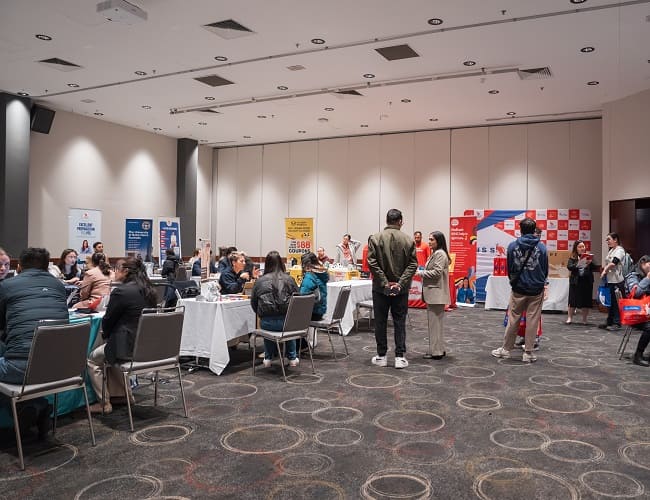
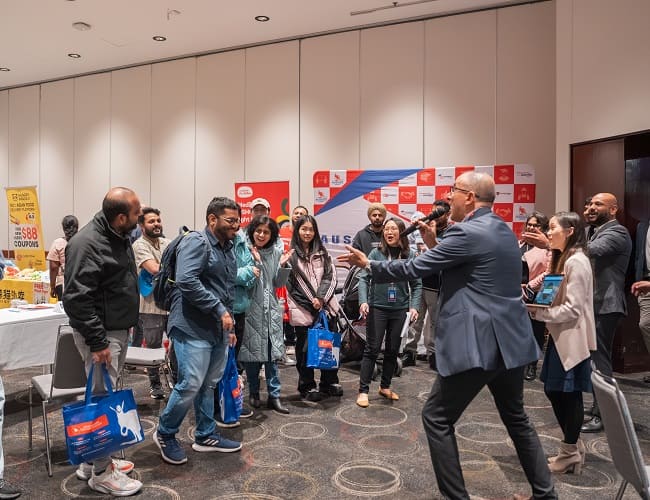
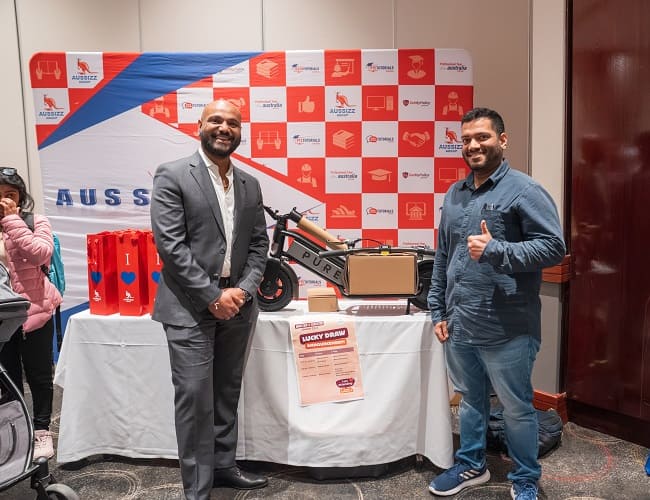
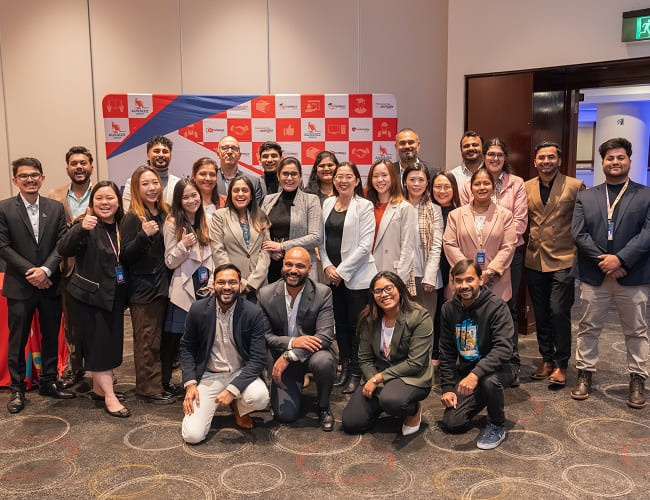
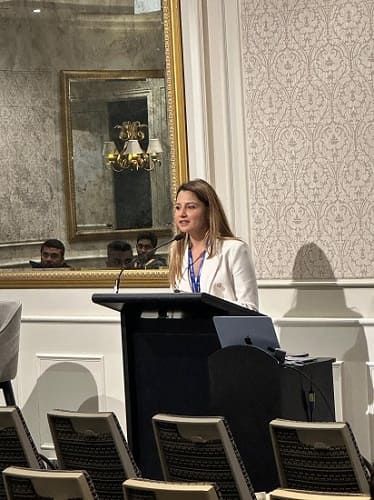
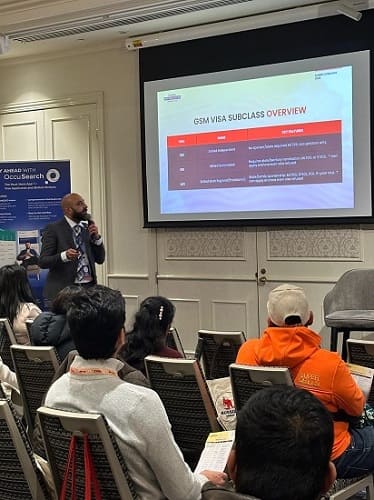
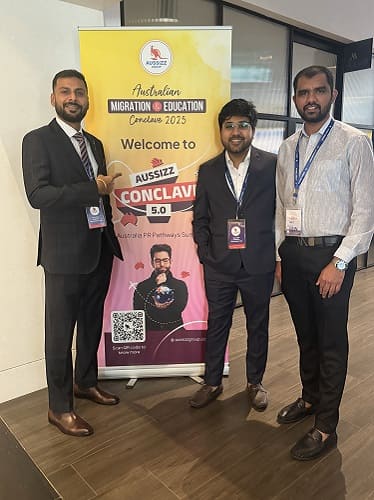
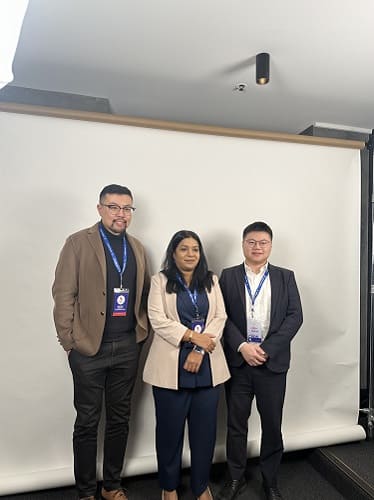
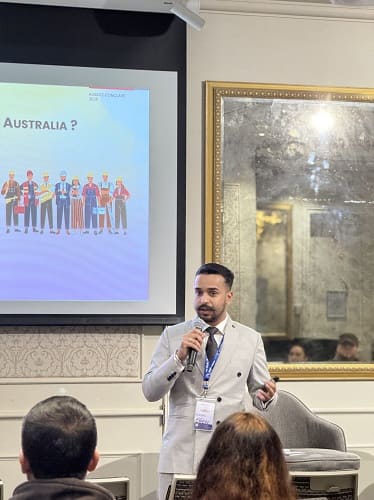
Aussizz Conclave 5.0, the most anticipated migration and education event of the year, brought together thousands of dreamers, doers, and decision-makers in a unique one-day, five-city celebration of ambition and direction. Powered by Aussizz Group, the conclave unfolded simultaneously in Melbourne, Sydney, Brisbane, Adelaide, and Perth, proving that when you connect vision with opportunity, the possibilities truly are unlimited.
A National Phenomenon: Five Cities, One Purpose
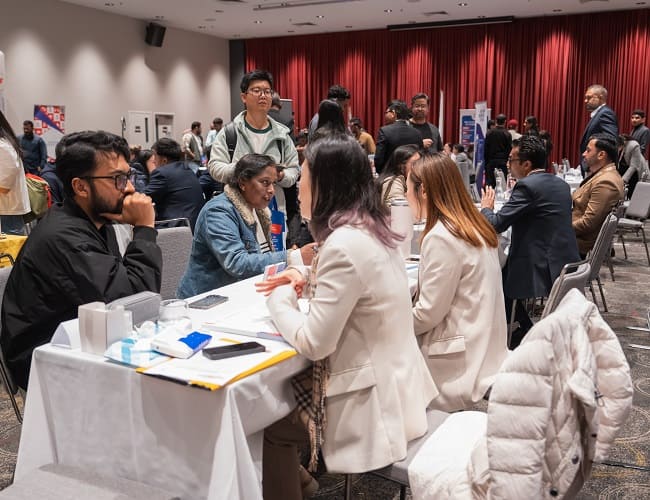
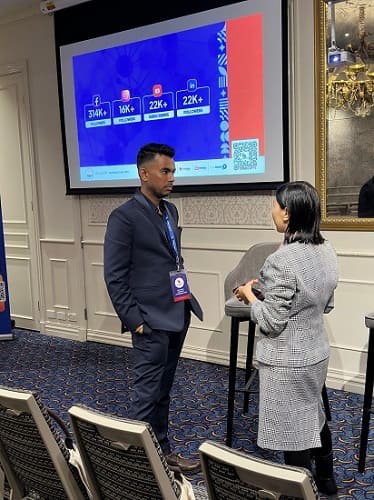
This year, Aussizz Conclave set a new benchmark by going fully in-person, live and local, in all five major Australian cities. Attendees stepped away from their screens and experienced a day filled with face-to-face conversations, tailored sessions, and real-time networking with experts who have shaped thousands of migration and education journeys.
From sunrise to sunset, venues buzzed with excitement as international students, skilled professionals, graduates, employers, and families arrived to explore pathways, ask questions, and get the direct guidance they’ve been searching for. The shared sense of community and ambition was palpable at every location.

Action-Packed Agenda: Sessions That Made a Difference
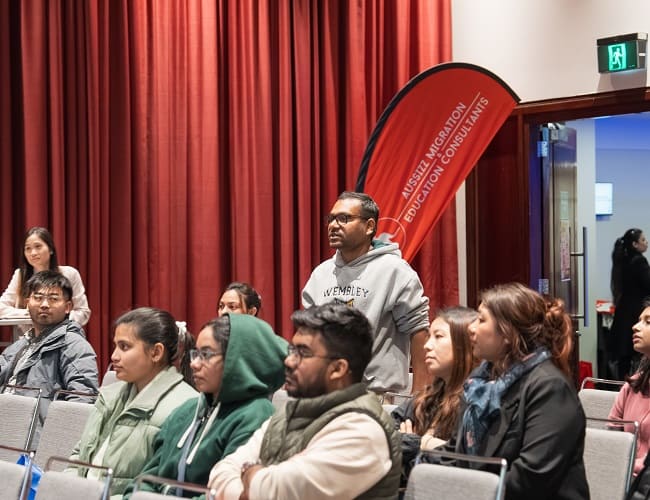
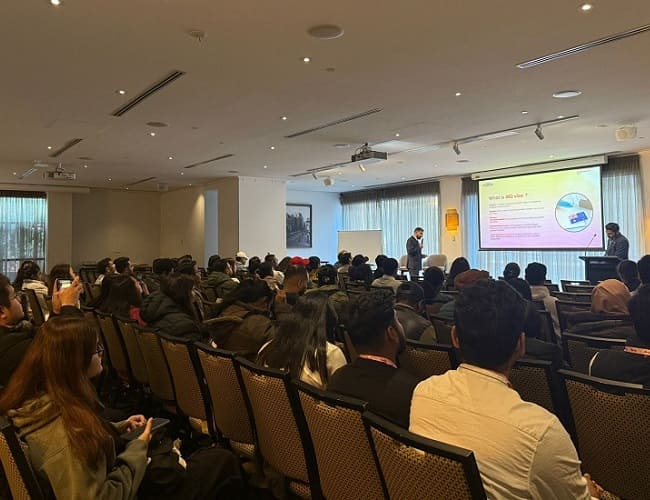
Aussizz Conclave 5.0 was carefully crafted to be short, sharp, and seriously impactful. Every session was designed to deliver maximum value in minimum time, with expert-led talks and interactive panels across key domains:
- Health, Teaching & Community Pathways: A 90-minute session opened doors for those interested in Australia’s most meaningful professions. Attendees heard from industry veterans and academic leaders about the latest demand in health, teaching, and community roles – and how to align their qualifications for success.
- Engineering & IT PR Pathways: Australia’s ongoing need for tech talent was front and center. Engineering and IT professionals learned about Permanent Residency pathways, skill assessment tips, and practical steps to boost employability.
- The Sponsorship Scoop – Employer Options (482, 494, 186, DAMA): A deep dive into the long-term visa landscape for skilled workers and employers alike. Attendees received up-to-date insights on sponsorship streams, recent changes, and best practices for employers considering migration sponsorship.
- Tea Tales & Networking: In between sessions, the “Aussie Tea Tales” provided relaxed networking over chai – helping participants connect with their peers, share stories, and build professional relationships.
The Expo Zone: Where Opportunities Came to Life
If the sessions were the heart of the conclave, the Expo Zone was its soul. This was where attendees could:
- Level up their resumes and career prospects with live CV reviews.
- Book 1:1 “Brain Dates” with leading migration and education experts.
- Explore scholarships, tuition discounts, and new study programs.
- Get legal and migration advice straight from registered agents.
- Connect directly with representatives from educational institutions and training providers.
- Expand their professional circles and discover job openings in high-demand sectors.
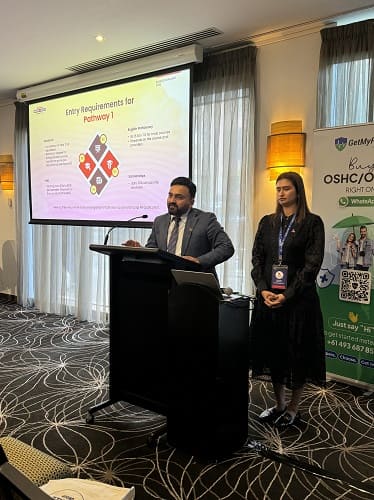
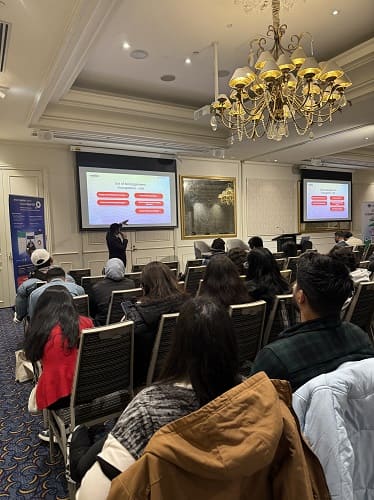
The Expo Zone was abuzz all day, with attendees eager to take advantage of free consultations, special giveaways, and exclusive guidance only available at Aussizz Conclave.

Who Came and Why?
Aussizz Conclave 5.0 welcomed a vibrant mix of:
- International students planning their first steps in Australia.
- Recent graduates looking to transition from study to skilled employment.
- Temporary visa holders considering long-term options.
- Skilled professionals seeking PR or new opportunities.
- Employers exploring sponsorship routes.
- Parents and partners wanting to support their loved ones’ journeys.
The conclave’s inclusive approach meant there was genuinely something for everyone, regardless of their background or stage of the migration journey.
Real Impact: Voices from the Event
Attendee testimonials tell the real story:
“The sessions were on point and full of practical advice – I left with a clear plan for my next steps in engineering PR.”
“Meeting so many migration agents in person was invaluable. I finally got answers tailored to my situation, not just generic info.”
“Thanks to the scholarship advice, I’m saving thousands on my next semester’s fees. The 1:1 sessions were a game-changer!”
“I came in confused about employer sponsorship and left with clear steps and even a potential job contact!”
Making Connections That Last
One of the most celebrated aspects of Conclave 5.0 was the live networking. Moving beyond digital interactions, participants forged meaningful relationships with experts, peers, and potential employers. Many cited the professional connections made as the most valuable takeaway – a testament to the power of in-person events.
Entry Was Free, But the Value Was Priceless
Aussizz Conclave has always believed in giving back to the community. By keeping entry free and accessible in five cities, the event removed barriers for those who need guidance the most. Despite the cost-free ticket, the value delivered was immense – hundreds of consultations, resource guides, and opportunities all in one day.
Key Event Highlights
- Five Cities, One Day: Never before has such a large-scale, multi-city event been coordinated in a single day for this audience.
- Expert-Led Sessions: From healthcare to IT, migration policy to education, each session featured top-tier professionals sharing their experience.
- Comprehensive Expo: An unmatched collection of migration agents, universities, colleges, and service providers under one roof.
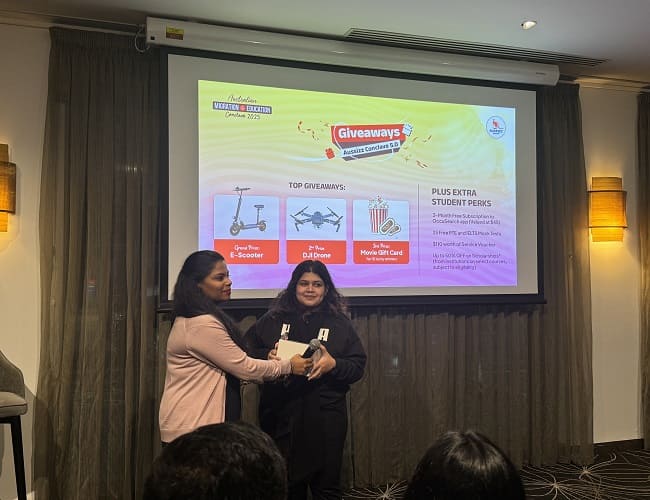
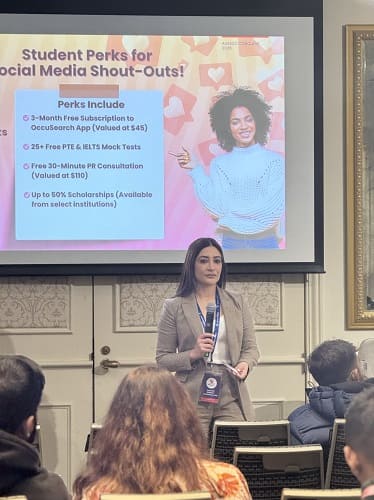
- Giveaways & Support: Attendees enjoyed free mock tests, resume reviews, live consultations, and even exclusive app access and prizes.
The Team Behind the Magic
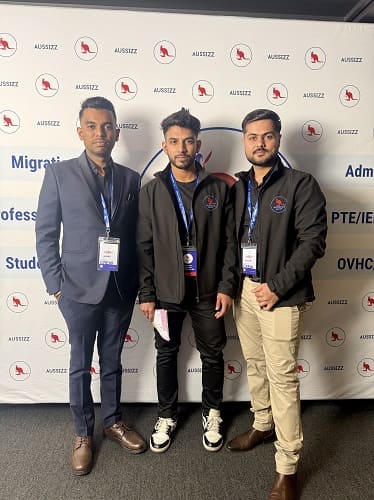
Aussizz Group’s unwavering commitment to empowering students, migrants, and skilled workers shone through every detail of Conclave 5.0. Months of preparation, coordination across five cities, and the dedication of dozens of staff and volunteers made this day possible. The event couldn’t have succeeded without the collaboration of educational institutions, migration agents, and industry sponsors.

Looking Ahead: What’s Next?
Missed Conclave 5.0 or hungry for more? Aussizz Group will soon release video highlights, expert Q&A recaps, and follow-up webinars for all who attended (and those who registered but couldn’t make it).
Did you attend?
We’d love to hear your story – share your feedback and help us make Conclave 6.0 even bigger and better.
Want to stay updated?
Subscribe to our newsletter or follow us on social media for exclusive resources, scholarship alerts, migration updates, and early invites to our next event.
Thank You, Australia!
From the first handshake at registration to the final farewells, Aussizz Conclave 5.0 was a day where dreams truly met direction. Thank you to everyone who joined us, trusted us, and made this event a landmark on the Australian migration and education calendar.
We can’t wait to help you take your next step – See you at Aussizz Conclave 6.0!
Introduction to MATES:
The New Pathway for Early-Professionals In an exciting development under the Australia-India Migration and Mobility Partnership Arrangement (MMPA), the Mobility Arrangement for Talented Early-professionals Scheme (MATES) has been introduced to promote a streamlined exchange of skills and talent between Australia and India. This initiative, which begins accepting applications in late 2024, is designed to encourage temporary mobility for Indian graduates and young professionals.
What is the MATES Visa?
The MATES visa is a unique opportunity for Indian nationals who meet specific criteria to live and work in Australia for up to two years. The program is part of a bilateral effort to foster a mutually beneficial transfer of skills and knowledge. With 3,000 spots available annually for primary applicants, the MATES visa is set to be a game-changer for early-career professionals.
Eligibility Criteria
To be eligible for the MATES visa, applicants must:
- Be 30 years or younger at the time of application.
- Have proficient English language skills (minimum overall IELTS score of 6, with no less than 5 in each section).
- Have graduated from an eligible institution within two years before applying.
- Hold a Bachelor’s degree or higher in one of the following fields: Renewable energy, Mining, Engineering, Information Communications Technology (ICT), Artificial Intelligence (AI), Financial Technology (FinTech), Agricultural Technology (AgriTech).
Key Features of the MATES Visa
- No Sponsorship Required: Unlike other Australian visas, the MATES scheme does not require applicants to have employer sponsorship, providing greater flexibility and accessibility.
- Duration and Work Rights: Visa holders can stay for up to 24 months and will have the freedom to work across different sectors, not strictly limited to their field of study.
- Family Inclusion: Dependents (spouses and children) can accompany the primary visa holder and will have work rights in Australia without being counted towards the annual cap.
- Extension Opportunities: While participants can only use the MATES scheme once, they may apply for other temporary or permanent visas if they meet eligibility criteria.
Benefits of the MATES Program
The MATES scheme provides young professionals with the chance to:
- Expand their career horizons in a vibrant job market.
- Build valuable networks within key industries in Australia.
- Gain international work experience that bolsters their professional profile.
How Aussizz Group Can Assist You?
At Aussizz Group, we are committed to guiding applicants through every stage of the MATES visa process. Our support includes:
- Eligibility Assessment: We will help determine your eligibility based on your qualifications and work experience.
- Documentation Assistance: Ensuring all necessary documents, including proof of graduation and English language certification, are in order.
- Application Preparation: Providing professional advice and guidance on filling out your application correctly to avoid delays.
- Post-Visa Guidance: We offer support with settlement advice and resources to help you transition smoothly into your new life in Australia.
- Career Support: Our network can connect you with job opportunities aligned with your qualifications.
Why Choose Aussizz Group?
With years of experience in visa services and migration consultation, Aussizz Group has the expertise to make your journey to Australia seamless. Whether you’re navigating eligibility questions or need support throughout the application process, our team is here to help.
Conclusion
The MATES visa is an exceptional opportunity for Indian professionals eager to experience Australia’s dynamic work environment and expand their skills. Let Aussizz Group be your trusted partner in making this opportunity a reality. Reach out to us to start your MATES application journey with confidence!
Australia’s 485 visa, also known as the Temporary Graduate visa, provides an excellent opportunity for international students to gain work experience and enhance their skills. Choosing the right course to study can significantly impact your career prospects. Here are the top 5 courses for 485 visa holders, along with their benefits and career prospects.
1. Information Technology (IT)
Benefits:
- High demand for IT professionals in Australia
- Diverse specializations such as cybersecurity, data science, and software development
- Opportunities to work in various industries, including finance, healthcare, and education
Career Prospects:
- Software Developer
- Data Analyst
- Cybersecurity Specialist
- IT Consultant
- Network Engineer
2. Nursing
Benefits:
- Strong demand for healthcare professionals across Australia
- Pathway to Permanent Residency (PR) due to the critical skills shortage
- Opportunities to work in various healthcare settings, including hospitals, clinics, and aged care facilities
Career Prospects:
- Registered Nurse
- Nurse Practitioner
- Clinical Nurse Specialist
- Aged Care Nurse
- Community Health Nurse
3. Engineering
Benefits:
- High demand for engineers in various fields such as civil, mechanical, electrical, and environmental engineering
- Involvement in significant infrastructure and development projects
- Opportunities for career advancement and specialization
Career Prospects:
- Civil Engineer
- Mechanical Engineer
- Electrical Engineer
- Environmental Engineer
- Project Manager
4. Accounting
Benefits:
- Consistent demand for accountants and financial professionals
- Pathways to PR due to skill shortages
- Opportunities to work in diverse sectors including corporate, public practice, and government
Career Prospects:
- Chartered Accountant
- Financial Analyst
- Tax Consultant
- Auditor
- Management Accountant
5. Teaching and Education
Benefits:
- High demand for qualified teachers, especially in regional and remote areas
- Pathway to PR due to the critical skills shortage
- Opportunities to work in primary, secondary, and tertiary education settings
Career Prospects:
- Primary School Teacher
- Secondary School Teacher
- Special Education Teacher
- Early Childhood Educator
- Educational Administrator
Benefits of Studying These Courses
Enhancing Skills and Knowledge: Studying these courses allows you to gain advanced skills and knowledge in your chosen field, making you more competitive in the job market.
Work Experience: Many of these courses include practical placements or internships, providing you with valuable work experience in the Australian job market.
Pathway to PR: Several of these courses are aligned with Australia’s skilled occupation list, offering pathways to Permanent Residency.
Networking Opportunities: Studying in Australia provides the opportunity to build a professional network, which can be invaluable for your career growth.
Career Prospects After Completing the Courses
Graduates of these courses are highly sought after in the Australian job market. With the skills and experience gained, you can expect to find employment opportunities in various industries. Moreover, the possibility of obtaining PR allows you to build a long-term career in Australia, contributing to the country’s growth and development.
Conclusion
Choosing the right course to study on a 485 visa is crucial for your career development in Australia. The courses listed above offer excellent benefits and career prospects, ensuring that you make the most of your time and investment. By selecting a course aligned with your interests and the demands of the Australian job market, you can pave the way for a successful and fulfilling career.
For more personalized advice and guidance on selecting the best course for your future, feel free to reach out to our expert consultants at Aussizz Group. We’re here to help you every step of the way on your journey to success in Australia!