
 AUS
Australia
AUS
Australia
 IND
India
IND
India
 UAE
UAE
UAE
UAE
 CA
Canada
CA
Canada
 SL
Srilanka
SL
Srilanka
It is evident to all, that twice in every month, Australia’s Department of Home Affairs release SkillSelect invitations. It is an online system that helps Australia address regional skill shortages by inviting skilled workers to migrate to Australia.
In order to begin with this process, applicants need to submit an Expression of Interest (EOI), which is an indication given to the immigration authorities on why you should be considered for Australian visa.
To complete an EOI, an applicant is required to submit a range of information like personal information, nominated profession, education, work experience, English language proficiency, skill assessment relevant to the nominated occupation, business and investment experience (if applicable).
The following visas are applied through SkillSelect:
- Business Talent (Permanent) visa (subclass 132)
- Business Innovation and Investment (Provisional) visa (subclass 188)
- Skilled Independent visa (subclass 189)
- Skilled – Nominated visa (subclass 190)
- Skilled – Nominated or Sponsored (Provisional) visa (subclass 489)
On 9thAugust 2017, Australia’s Department of Home Affairs released its first SkillSelect invitation round. Let’s have a look at the numbers in this round:
Number of Invitations Issued
| Visa Subclass | Number of Invitations |
| Skilled Independent Visa (Subclass 189) | 1000 |
| Skilled Regional Provisional Visa (Subclass 489) | 123 |
| Total | 1123 |
Number of Invitations
| Visa Subclass | Number of Invitations |
| Skilled Independent Visa (subclass 189) | 1000 |
| Skilled Regional Provisional Visa (subclass 489) | 200 |
| Total | 1200 |
**Above numbers do not include results of the State and Territory Government nominated visas i.e. for the Skilled – Nominated visa (subclass 190), Business Talent (Permanent) visa (subclass 132), and Business Innovation and Investment (Provisional) visa (subclass 188). Results for these visa subclasses are created separately and provided monthly.
Number of Intending Migrants who received nominations from State and Territory Government in July 2017 are as follows:
| Visa Subclass | ACT | NSW | NT | QLD | SA | TAS | VIC | WA | Total |
| Skilled Nominated (subclass 190) | 14 | 9 | 19 | 96 | 66 | 30 | 185 | 0 | 419 |
| Skilled-Regional (Provisional) (subclass 489) | 0 | 63 | 14 | 26 | 314 | 58 | 0 | 0 | 475 |
| Business Innovation and Investment (subclass 188) visa | 0 | 56 | 0 | 57 | 24 | 0 | 295 | 11 | 443 |
| Business Talent (Permanent) (subclass 132) visa | 0 | 9 | 0 | 23 | 78 | 0 | 6 | 10 | 126 |
| Total | 14 | 137 | 33 | 202 | 482 | 88 | 486 | 21 | 1463 |
How does the invitation process works in SkillSelect?
Generally, applicants with highest point score are invited to apply for the respective visa. While those with equal points scores are considered to be invited on the basis of time they got their scores for a particular subclass. Expression of Interest with earlier dates of effect are given first priority than later dates.
Cut-offs Required
| Visa Subclass | Minimum points score required | Visa date of effect |
| Skilled-Independent (Subclass 189) | 70 | 04/08/2017 6:16 pm |
| Skilled-Regional Provisional (Subclass 489) | 60 | 08/08/2017 10:20 pm |
Occupations with Pro Rata Arrangements
Following the high level of demand, some occupations got their processing through pro rata arrangements. SkillSelect allocate the vacant places to Skilled- Independent visas (subclass 189) on a priority basis and the remaining places to Skilled – Regional (Provisional) visa (subclass 489). In case, 189 visa get all the allocations, 489 visa will remain indigent of such invitations.
- Accountants
- Auditors, Company Secretaries and Corporate Treasurers
- Electronics Engineers
- Industrial, Mechanical and Production Engineers
- Other Engineering Professionals
- ICT Business and System Analysts
- Software and Applications Programmers
- Computer Network Professionals
Cut-offs & the visa dates of effect for the pro-rate occupations
| ID | Occupation | Points Score | Visa date of effect |
| 2211 | Accountants | 75 | 24/06/2017 11:51 am |
| 2212 | Auditors, Company Secretaries and Corporate Treasurers | 75 | 30/05/2017 12:03 am |
| 2334 | Electronics Engineer | 70 | 04/08/2017 6:16 pm |
| 2335 | Industrial, Mechanical and Production Engineers | 70 | 02/08/2017 10:16 pm |
| 2339 | Other Engineering Professionals | 70 | 09/07/2017 11:37 pm |
| 2611 | ICT Business and ? System Analysts | 70 | 12/04/2017 4:14 pm |
| 2613 | Software and Applications Programmers | 70 | 04/08/2017 5:17 pm |
| 2631 | Computer Network Professionals | 70 | 04/08/2017 1:30 pm |
Those who are not aware about pro-rata occupations, here is a brief overview:
- Those occupations that have more number of eligible EOIs lodged than the number of places available in the occupational ceilings are known as pro rata occupations. Invitations for pro rata occupations are restricted in each round, which leads to higher minimum points or longer waiting procedure times.
- If you are looking for more information on SkillSelect or would like to apply for General Skilled Migration, book a consultation with our certified consultants today. We’ll not only assist on the required points for your occupations but also assure to improve your eligibility for the visa.
If you are troubled by any particular concern or question, you can also ask the same on our Immigration Forum.
As we mentioned in our previous blog, there are many changes that the Australian Government has introduced to the Visa Rules. This has major effect on the Visa Subclasses 457, 186 (Employer Nomination Scheme), and 187 (Regional Scheme Migration Sponsor). We penned down the changes that were announced in April, July this year and those that are expected to be announced in December, 2017 and March, 2018.
We have been getting a lot of questions related to the changes and how it will affect the individuals who are already holding or are planning to apply for either one of these three visas. Here, we answer those frequently asked questions.
What will happen to the 457 visa holders who are completing their 2 years after March 2018?
Australia’s Department of Home Affairs has not yet issued any statement regarding that. As soon as we have any information from the Department of Home Affairs, we would provide the update.
I am on 457 visa and want to change my employer. Can I do that?
Yes, it is possible. You must ensure that the transition between sponsoring employers is smooth or you could risk breaching your visa conditions. When changing employer your new employer must be an approved sponsor and they must nominate your occupation. Until this nomination is approved, you must not commence work with your new sponsor. If you do begin your new job prior to the paperwork being finalised, your visa could be cancelled and this is a breach of your 457 visa conditions. The new sponsor may need to prove that the position is a genuine requirement for their business and that they are offering a ‘market rate’ salary. They may also need to show labour market testing and, depending on your passport, you may need to sit the IELTS English test.
My 457 visa will expire in April 2018 so can I apply for PR with previous rules or are the new rules applicable?
People holding 457 who will complete their 2 years before March 2018 are unaffected by the changes and can apply for the ENS as long as they complete their 2 years before March 2018.
What about the new SOL for 2017-18 for 189 Visa? Have they released? What about accountants, will they remove this occupation?
Yes, the new SOL for 2017-18 for 189 Visa has been released and Accounting is in MLTSSL.
If I hold 457 Visa, what happens after the period of stay gets over?
If you complete 2 years before March 2018 then you can still apply for the Australian PR. For current 457 holders who will complete their 2 years after March 2018, the Immigration Department of Australia has not updated the information regarding the criteria.
What happens to the applicants who have lodged their 457 visas just before the changes have been introduced?
Currently it takes around 4-6 months for 457 visa application process. You can get the 457 granted for 2 years if your occupation falls in the skilled list but if it is on the STSOL then it doesn’t lead to PR.
I’m currently a 457 visa holder for 2 years, and now I want to apply for PR before March 2018, do I need IELTS to apply for PR?
Yes, you will require IELTS 6 bands to be able to apply for PR from July 2017 onwards.
I am on 457 Visa and it expires after July 2017. Will I be eligible to apply for PR?
As per the current rules you can apply for 186 transition stream (TRT), if you complete the 2 years on 457 Visa before March 2018. But if you do so after March 2018, there will be new requirement which will be you would have to complete 3 years with your employers. Then, you will not be eligible to apply for that stream.
My 457 Visa will expire in 2018. So, will the new rules be applicable to me?
If your visa expires after March 2018 then new rules will apply to you.
Do I need 3 years’ experience before applying for 457 or after?
If you apply for 457 or RSMS visa before the Mar 2018 then it is not mandatory to have work experience in the particular occupation. But if you apply after March 2018, you will require 2 years of experience and if you want to apply for RSMS visa, you need to have minimum of 3 years of exp.
I am on 457 Visa and my occupation is still on the MLTSSL list. Am I still eligible to apply for PR?
If you complete your two years before March 2018 and your occupation is still on MLTSSL then yes, you are eligible to apply for PR under ENS transition stream.
Hope we have been able to answer your concerns related to the 457, ENS & RSMS Visas. If you have any further questions or doubts, you can feel free to contact our team.
Aussizz Group have always strived to provide best solution for any problems related to the Australian Visa. We are delighted to have assisted so many clients and helped fulfil their overseas dreams.
The recent announcements back to back by the Department of Home Affairs have created a lot of confusion amongst the potential applicants of migration and temporary visa for Australia.
Here, we highlight the changes that came into effect and are anticipated in 2017, the new skilled occupation lists, and how the changes would affect you. Note the major changes in 457 Visa, Employer Nomination Scheme visa (ENS) and Regional Skilled Migration Sponsor Visa (RSMS). Also find the answers for the several questions that might concern you!
Recent changes in the month of April, 2017 regarding 457 Visa
- People holding 457 visa are unaffected by the changes and can apply for the ENS as long as they complete their 2 years before March 2018.
- Introduction of additional requirements (caveats) to be met to apply for different occupations on both the list.
For Example: for a Beauty Salon manger occupation, the business must have minimum 5 employees (part-time & full-time combined). For a Hair dresser occupation you must have a minimum of 2 years’ experience.
Major Changes as per the announcement on July 1, 2017
Skilled Occupation lists (MLTSSL & STSOL) are updated. Department of Home Affairs will be assessing and updating it every 6 months.
If occupation falls on MLTSSL then you will still be able to apply for ENS but if it falls under STSOL, there will not be any PR options for you.
If you are an existing 457 visa holder and want to apply for ENS Visa:
- Mandatory IELTS with minimum score of 6.0 bands each. (previously there was an exemption that was if your employer offered higher package then it is exempted i. e high income earners)
If you have already applied for 457 visa and it is not granted yet:
- Application after 1 July 2017 will have to undergo mandatory skill assessment which will depend on the country of your residence and the occupation you apply for.
- Compulsory submission of police clearance certificate (PCC) from home country or country where you have stayed for last 3 months.
- Training benchmark will be applicable.

Changes that are expected to be in effect from December 2017 (i.e re-assessment after 6 months)
- Department of Home Affairs would ask for TFN (Tax File Number) to be submitted along with the application.
- Department of Home Affairs would be publishing the results for all the sponsors who has not met the requirements in the past, have been blacklisted and upon investigation have not complied with the sponsorship requirements. The list will have the names of the businesses with the reason of the ban mentioned.
- If you are currently on the 457 visa, you may be eligible to apply for the General Skilled Migration (GSM) visa.
Again in March 2018, the Department of Home Affairs is expected to announce the following important changes.
For 457 Visa
- 457 Visa will continue till Mar 2018 only.
- From Mar 2018, the 457 visa will be replaced by TSS (Temporary Skill shortage Visa) with 2 streams: Short Term (2 years) and Medium to Long Term (4 years)
- Increase in the fee structure of visa application: Current charges for 457 Visa is AUD 1060. From Mar’18 it will be AUD 1150 for short term. For medium term the fee will be AUD2400.
- For 457 Visa, as long as you are completing your 2 years before Mar 2018, you should be able to apply for the ENS visa.
- For the STSOL occupation, there will only be one more chance for the renewal of the 457 visa. However, there will be no pathway under ENS scheme towards Permanent Residency (PR). For example: Profession of a cook falls under STSOL. You can get an extension for next two years but cannot apply for visa under ENS scheme.
- For the occupation listed on MLTSSL, there is still a pathway to Permanent Residency (PR).
- IF you want to apply for PR and your occupation list falls under STSOL then you might still be eligible to apply under General Skilled Migration (GSM).
- 457 Visa will continue till Mar 2018 only.
English Language Requirement:
- For the occupations on STSOL, the English language requirement is the same. i.e of 4.5 bands in each module and 5 bands overall or PTE equivalent.
- For occupations on MLTSSL, you require minimum 5 bands each for IELTS or PTE equivalent.
For TSS Visa, ENS Visa (Subclass 186) & RSMS Visa (Subclass 187)
- Not many options available for applications holding student visa.
- To apply for RSMS, you would require minimum 3 years of relevant full-time experience. Thus, it is better to apply for RSMS before Mar 2018 for the applicants who are eligible/ have the option to do so.
- Currently there is no minimum salary that is applicable for RSMS. For the 457 visa the min package is of AUD 53900. And this will be implemented for RSMS as well.
- Training requirements:
- The training benchmark criteria are currently applicable to only 457 visa and not RSMS visa. From Mar 2018, you have to meet the training requirements. It is not exactly a benchmark, but more like a training levy.
- To apply for TSS visa from Mar 2018, your employer or the business needs to meet the requirement of the training levy which basically means that they have to contribute to the Australian Training Fund so that it can be used to train other Australian PR and citizens. They have to contribute every year until their visa gets approved.
- To apply for TSS visa, if the business turnover is less than 10 million AUD, then the training levy will be AUD 1200 per applicant.
- To apply for TSS visa, if the turnover is more than 10 million AUD, then AUD 1800 will be the training levy.
- For ENS and RSMS, if it is a business with turnover of less than 10 million AUD, the training levy would be around AUD 3000 & for more than 10 million AUD it would be around AUD 5000. Applicable to the direct entry stream of both.
Age Criteria:
- There are lot of applicants on the 457 visa for like 10-15 years, and never applied for the ENS visa. The new changes from Mar 2018 will restrict the age as well. The max age is 45. For applicants aged above 45, you would not eligible to apply for ENS or RSMS.
- If you are under 50, you can apply for ENS and RSMS before Mar 2018.
Work Experience:
- If you want to apply for TSS visa, you must have min 2 years of experience. It does not have to be same as the occupation but should be highly relevant to it depending on the case. For RSMS, you would require 3 years’ min experience.
Now that you know about the changes, in our next blog, we have answered a few frequently asked questions related to Australia 457, ENS, RSMS Visas for you to make things more clear.
Aussizz Group believes in providing premium services to all the clients. Our education and immigration consultants believe in keeping you updated and provide you with better solutions to your problems.
Migrating to Australia to study or settle calls for an insane amount of time.
Collect the original supporting documents, make arrangements with the insurance companies, get a tax clearance, and file a proper visa application.
With so many daily obligations to fulfil, you don’t get enough time during the entire day to do everything, and you feel stretched to your limit.
What if you are told to hire an immigration consultant?
It will come as no surprise to get a resounding “NO” as an answer.
Most often when it comes to migrating abroad, people refrain themselves from getting assisted by an immigration or education consultant due to the fear of scams or fraudulent activities.
A lot of misconceptions about these consultants float around the market which in turn lead people to apply for visa on their own, making them fall prey to visa rejections.
So, this article is all about knowing what those misconceptions are, and subsequently busting them.
Myth 1: They’re Frauds. They’re Only Interested in Money!
We have the habit of compromising with the quality when it comes to saving money. If you disagree to it, then all we can say is, “Fess up!” Most of us do really do that! And the same applies to hiring an immigration consultant. We prefer to seek services from someone who sounds official but is not licensed. Australian immigration law is complex and the process to get a visa can be difficult to navigate. Hence, one needs to look for someone who is authorised and possesses an in-depth knowledge of immigration procedures.
But how to know that the representative is in fact an authorised one?
Well, a professional immigration consultant is always registered with the office of the Migration Agents Registration Authority (MARA). It is an Australian Government authority that registers migration agents and regulates their profession.
Myth 2: Anyone can apply for a Visa! What’s so Special about Them?
Since a professional immigration consultant is registered with the relevant authority, the entire immigration process is administered with utter perfection. Such individuals are acquainted with all the laws and regulations of Australian immigration, hence there is no room for silly mistakes or delays in the processing of visa.
While the choice of hiring or not hiring such consultant is absolutely yours, we’d just like to add that applying for a visa without their help increases the chances of visa rejection. There are a number of factors that can make visa rejection come as easy as a piece of cake, like lack of awareness, complexity of the case, unwillingness to invest time in going through the instructions, and such; and you’d need no less than an expert on your side to make the chances of rejection go away!
Myth 3: They’re Just Glorified Career Counsellors!
A common myth about these agents is that they are just career counsellors, and nothing else. It’s true that you sometimes require a counsellor to help you decide your strongest areas, and subsequently the career choice that you should go for. While an Immigration and Education consultant would do that very thing – they wouldn’t do JUST that! There’s so much more to what they do.
First of all, your career choice would always reflect your core skills. Secondly, they’ll check with you whether you plan to further settle in Australia and get a PR or not. If you answer in a yes, then they will have to check for course options that suit your competencies, plus feature on the Australian PR course list for that year too. It’s not as easy as just going through a list and striking off your options; it’s about knowing which skills does Australia feel a shortage of that year, and checking whether your skillset fills in that gap or not.
It’s an extremely delicate process in the least, and you cannot afford to go wrong here. An immigration agent hence is your most valued asset when it comes to making your study abroad dream a reality.
Myth 4: They Only Care about Migration; Not Education!
This myth is a tenacious one.
But thank God it’s just a myth!
An ethical immigration consultant is never into stooping to any means to just sell his business. He cannot promote the engineering courses, which are highly aspired in Australia, to the students with Commerce or Arts background. Rather a good consultant would prefer to go for proficiency evaluation of the student and then send them to Australia to pursue the line of study that befits both their educational background as well as their future aspirations.
Myth 5: Got your Visa? You have no Need for Them Anymore!
Whether you are migrating as a skilled migrant or an International student, arriving to a new country introduces you to a plethora of things that are both essential for you to settle in, but unknown to you at that point. These things include accommodation arrangement, applying for a Tax File Number (TFN), opening a bank account, registering with Medicare, etc. A reliable immigration consultant helps you handle all these things in an extremely hassle-free manner.
Studying or settling abroad is an opportunity that knocks only once. Exaggerating or accepting such myths only serve as a barricade that can inhibit you from getting the experience you deserve. A way to ensure that brilliant experience is by getting in touch with the team of leading education consultants and migration agents at Aussizz Group. With years of experience backing their knowledge and expertise in handling education and visa consulting, you can rest assured that your Australian dreams will definitely turn into reality!
Top Student Cities of Australia – 2017-18
Australia is famous for its golden beaches, oceanic weather, spectacular wildlife, stunning landscape, and of course it’s outstanding educational institutions. It comes as no surprise that this country stands as one of the most popular study destinations of the world. Students from India, China, Philippines, and a lot of other countries come to study and live here.
To see into which cities are the most student-friendly in Australia, we looked at the 2017-18 QS world rankings, amongst other things, of the best Australian student cities. And here’s what we found:
| World Rank | Student City in Australia |
| 5 | Melbourne |
| 13 | Sydney |
| 20 | Brisbane |
| 22 | Canberra |
| 44 | Adelaide |
| 50 | Perth |
| 78 | Gold Coast |
(Source: Top Universities)
Melbourne

Australia’s second-largest city, Melbourne, has frequently been named as one of the most liveable cities in the world. Let’s look at the reasons why:
- This city is one of the most diverse ones, in terms of both its people and economy.
- Many of the largest business organizations of the country are headquartered in this city.
- There are 8 world-class universities based in Melbourne, giving students a wide range of education choices.
- Referred to as the country’s sporting and cultural capital, students here get ample options in terms of career as well as recreation.
- Students find a host of cafes, restaurants, malls, beaches, and such to hang out.
- Melbourne has numerous venues that host live music events, comedy shows, etc. regularly. Students love attending them!
- Then there are sporting events too, like the Australian Open, and Formula One Racing.
- Some of the unique attractions include the piers of the Mornington Peninsula where one can swim with seahorses, Port Phillip Bay where you can see penguins, and the likes.
- A high standard of living and an enviable academic life that Melbourne offers, it also costs a bit too much. Here’s a report on the latest data, on yearly expenditure of undergraduate international students to give you an idea of the cost of living in this city:
| Category | Expenses $ AUD |
| Basic lunchtime menu (including a drink) in the business district | 16 |
| Monthly rent for a 45 m2 (480 Sq. ft.) furnished studio in NORMAL area | 1417 |
| Utilities 1 month (heating, electricity, gas …) for 1 person in 45 m2 (480 Sq. ft.) studio | 275 |
| Monthly ticket public transport | 141 |
| Taxi trip on a business day, basic tariff, 8 km. (5 miles) | 19 |
| The price of 2 tickets to the movies | 39 |
| The price of Short visit to private Doctor (15 minutes) | 69 |
(Source: Expatistan)
Sydney
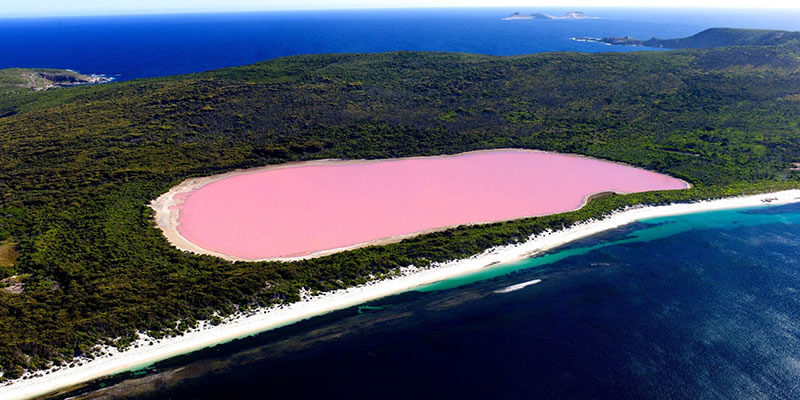
The city that boasts of the largest economy in the country, Sydney is witness to thousands of students coming every year to fulfil their dreams from around the globe. Let’s see some of the things that make Sydney such a desirable student city:
- A high standard of living and a high employability rate – these features combine to give this city a really high quality of life.
- Featuring no less than 5 internationally recognized universities, Sydney has no dearth of options in terms of education.
- Also referred to as the financial centre of Australia, many of the largest organizations of the country are based out of Sydney.
- The city’s culture comes alive through its museums, theatres, and concerts.
- Housing koala bears and wild populations of kangaroos, beautiful beaches and a lot of green spaces, one just can’t miss out on this city’s rich nature and wildlife.
- Known for being the most expensive city of the country, here’s a preview of an average cost of living in Sydney:
| Category | Estimated weekly expense $ AUD |
| Basic lunchtime menu (including a drink) in the business district | 16 |
| Monthly rent for a 45 m2 (480 Sq. ft.) furnished studio in NORMAL area | 1845 |
| Utilities 1 month (heating, electricity, gas …) for 1 person in 45 m2 (480 Sq. ft.) studio | 309 |
| Monthly ticket public transport | 150 |
| Taxi trip on a business day, basic tariff, 8 km. (5 miles) | 24 |
| The price of 2 tickets to the movies | 40 |
| The price of Short visit to private Doctor (15 minutes) | 66 |
(Source: Expatistan)
Brisbane

Brisbane, also known as a ‘new-world’ city, houses a truly wide and thriving multicultural environment. But, what else makes Brisbane list on the top 100 student cities in the world? Let’s have a see:
- This one’s the third most populous city of Australia, with the international students and tourists forming a big part of its multicultural society.
- Brisbane is home to some of the best universities, with at least 4 featuring in the top 100 across the world. And offering about 9000 courses at the Bachelor, Master and PhD level is no mean feat at all!
- The city has a prominent art, and sports scene that includes a multitude of cultural and water sporting events that take place here.
- Some of the unique experiences that you can expect to be a part of are the Annual Buddha Birthday Festival, its Moreton Bay and Islands, and the chance to fly over the city in a hot air balloon.
- With low tuition fee and great accommodation available at reasonable costs, Brisbane is known for being an affordable city for students. Here’s a table that shows the average cost of living in Brisbane, as according to the latest data:
| Category | Average monthly expenses AUD $ |
| Basic lunchtime menu (including a drink) in the business district | 15 |
| Monthly rent for a 45 m2 (480 Sq. ft.) furnished studio in NORMAL area | 1513 |
| Utilities 1 month (heating, electricity, gas …) for 1 person in 45 m2 (480 Sq. ft.) studio | 274 |
| Monthly ticket public transport | 129 |
| Taxi trip on a business day, basic tariff, 8 km. (5 miles) | 21 |
| The price of 2 tickets to the movies | 29 |
| The price of Short visit to private Doctor (15 minutes) | 61 |
(Source: Expatistan)
Canberra

The capital city of Australia has its name derived from the word ‘canberry’, literally meaning a ‘meeting place’. And it really is a place that sees the convergence of a different people, and various cultures. But what makes it great in terms of being student-friendly? Let’s have a look:
- While Canberra is not too large a city, it never seems overcrowded. One doesn’t usually come across any traffic jams here.
- But even though it’s a small city –it’s nevertheless an interesting place to be.
- Local universities of Canberra, two of which have a top global ranking, see a yearly student intake in tens of thousands, with about a fourth of them being from foreign countries.
- There are many places and activities that are exclusive in their attraction to Canberra – like the Captain James Cook Memorial, the annual Barassi International Australian Football Youth Tournament, a man-made lake right in the city centre, and various nature reserves.
- Costly in general, but economical in comparison to say Sydney and Melbourne, this is the estimated weekly cost for a student living off the campus in Canberra:
| Category | Estimated weekly cost $ AUD |
| Basic lunchtime menu (including a drink) in the business district | 16 |
| Monthly rent for a 45 m2 (480 Sq. ft.) furnished studio in NORMAL area | 1470 |
| Utilities 1 month (heating, electricity, gas …) for 1 person in 45 m2 (480 Sq. ft.) studio | 145 |
| Monthly ticket public transport | 86 |
| Taxi trip on a business day, basic tariff, 8 km. (5 miles) | 24 |
| The price of 2 tickets to the movies | 32 |
| The price of Short visit to private Doctor (15 minutes) | 79 |
(Source: Expatistan)
Adelaide

Fifth on the list is the fifth largest Australian city, Adelaide. Let’s take a look at what this city offers its students in terms of education, recreation, and more:
- A throbbing urban life, picturesque surroundings, and the chance to lead an outstanding academic life, is what Adelaide has in store for its students.
- At least 3 local universities here are known to be amongst the best in the global arena.
- When it comes to cultural activities, it’s hard to beat Adelaide. Two of the many local festivals – Adelaide Festival of Ideas, and Adelaide Festival of Arts, are proof to just that.
- Swimming with the dolphins in the Glenelg area, or visiting the Kangaroo Island are some of the other unique things one can do here.
- Students also find themselves enjoying hiking, cycling, and wildlife watching at the Adelaide Hills; or go see a cricket match with friends at the Adelaide Oval.
- When it comes to cost of living, here’s the data collected recently, in terms of a student’s expenditure, who’d be living off the campus:
| Category | Estimated weekly cost $AUD |
| Basic lunchtime menu (including a drink) in the business district | 15 |
| Monthly rent for a 45 m2 (480 Sq. ft.) furnished studio in NORMAL area | 950 |
| Utilities 1 month (heating, electricity, gas …) for 1 person in 45 m2 (480 Sq. ft.) studio | 155 |
| Monthly ticket public transport | 97 |
| Taxi trip on a business day, basic tariff, 8 km. (5 miles) | 19 |
| The price of 2 tickets to the movies | 36 |
| The price of Short visit to private Doctor (15 minutes) | 49 |
(Source: Expatistan)
Perth

A wee bit expensive, but nevertheless an awesome student city, Perth features sixth on the list. Let’s see what makes it so awesome:
- All the four local universities in the city provide top-quality education.
- With ocean to the west and desert to the east, one finds this city a bit isolated.
- Hot and dry summers, and wet and cold winters give Perth a Mediterranean climate.
- Cost of living is quite high here.
- A more quiet and isolated city, compared to others, this one is known for its beaches and amazing parklands.
- A city that’s growing at a great pace, and offering its students newer opportunities with passing times, it’s also important to have a decent idea of how expensive it really is for a student living off the campus in this city:
| Category | Estimated weekly cost $AUD |
| Basic lunchtime menu (including a drink) in the business district | 16 |
| Monthly rent for a 45 m2 (480 Sq. ft.) furnished studio in NORMAL area | 1900 |
| Utilities 1 month (heating, electricity, gas …) for 1 person in 45 m2 (480 Sq. ft.) studio | 552 |
| Monthly ticket public transport | 122 |
| Taxi trip on a business day, basic tariff, 8 km. (5 miles) | 21 |
| The price of 2 tickets to the movies | 38 |
| The price of Short visit to private Doctor (15 minutes) | 66 |
(Source: Expatistan)
Gold Coast

One of the most popular tourist destinations of Australia, Gold Coast is also increasingly becoming one of the most loved cities by the student population there. So, let’s take a look at what makes Gold Coast so special:
- This city is known for its sprawling beaches, amazing waterways, and sub-tropical climate.
- One of the best things about this city is its weather – especially during the academic months. The pleasant climate is definitely an attraction for the students coming here.
- A few of the most prestigious universities of the country are housed in this city.
- Students find a lot of options in terms of visiting theme parks, bushwalking, and city entertainment.
- Students find Gold Coast a bit cheaper compared to many other cities, and here’s some latest data that shows the average cost of living for a student living here:
| Category | Estimated weekly cost $AUD |
| Basic lunchtime menu (including a drink) in the business district | 18 |
| Monthly rent for a 45 m2 (480 Sq. ft.) furnished studio in NORMAL area | 1236 |
| Utilities 1 month (heating, electricity, gas …) for 1 person in 45 m2 (480 Sq. ft.) studio | 113 |
| Monthly ticket public transport | 113 |
| The price of 2 tickets to the movies | 29 |
| The price of Short visit to private Doctor (15 minutes) | 60 |
(Source: Expatistan)
We saw this year’s cost-of-living data tabulated for each student city above.
Based on the same, we have here the ranking of Australia’s major university cities – from the cheapest city to the most expensive one, for the year 2017:
| Ranking | Student City in Australia |
| 1 The Cheapest! | Adelaide |
| 2 | Wollongong |
| 3 | Hobart |
| 4 | Gold Coast |
| 5 | Canberra |
| 6 | Brisbane |
| 7 | Melbourne |
| 8 | Perth |
| 9 The Most Expensive! | Sydney |
(Source: Expatistan)
We also feel that a couple of the student cities in Australia do deserve an honourable mention!
So here they are:
| Wollongong | Fondly called, ‘the Gong’, this city is known for its golden beaches, a temperate weather, and an easy lifestyle.This is one of the most liveable small cities in Australia,With the Royal National Park to the north and, Lake Illawarra to the south, Wollongong houses a picturesque landscape.With one of the top universities here, many international students dream of making their career in this city. |
| Hobart | Hobart is the capital of Tasmania – Australia’s island state.Majority of students in Tasmania, study from Hobart.It witnesses cool and temperate climate, with rarely seen snowfall and deep frosts.Good accommodation and transport services make this city quite student-friendly.With a lot of restaurants, and cafes, students have numerous options to meet or hang out.Most of the houses here are on the hillsides, with superb view of the harbour – it makes Hobart one beautiful city to live in. |
We call a city perfect for its students, because of its exceptional education system, safe environment, amazing people, and unique recreational activities. And based on these parameters, Australia is definitely a rich country with a lot of cities setting a bar for being ideally student-centric.
With so many options to sieve through, we hope we could help you pinpoint the city of your choice. Next, you can check out our other blog post giving an overview of the Australian universities that feature amongst the best around the world.
Further, if you are looking to tap the opportunity to Settle in Australia, then the Overseas Education Consultants at Aussizz Group can provide you with appropriate assistance. You can reach us on call, e-mail or visit
The long awaited news is out. Australian Government Department of Home Affairs has released the updated occupations lists applicable for various temporary and permanent skilled visas as effective from 1st July 2017.
As announced in April by the Turnbull government, the occupation list will be updated every six months to reflect the skills that are actually needed in the labour market.
The Australian government has worked closely with the Department of Employment and the Department of Education and Training along with extensive research and consultation with the industry to update occupations on the list.
The following General Skilled Migration Visas will have to refer to the Medium and Long-term Strategic Skills List (MLTSSL):
- Subclass 189 (Skilled Independent Visa)
- Subclass 489 (Skilled Regional (Provisional) Visa) – the ones who do not have state nomination or territory government agency nomination
- Subclass 485 (Temporary Graduate visa)
The following General Skilled Migration Visas will have to refer to the Short-term Skilled Occupation List (STSOL):
- Subclass 190 (Skilled—Nominated Visa)
- Subclass 489 (Skilled—Regional (Provisional) visa)
Queensland, South Australia, and Canberra have also published the separate list providing the open occupations that the aspiring applicants can refer to apply for skilled visas. Additionally, there are various changes introduced related to the age, English language requirements and criminal checks concerning different visa subclasses. You can read the updates in our next blog where we have mentioned the significant changes that were brought into effect 1st July and are anticipated by the Department of Home Affairs.
At Aussizz Group, our immigration consultants carefully monitor the changes and take care how it affects the applicants. We have an extensive experience to assist thousands of clients with the migration visa applications. Consider getting your profile assessed with us to know the best options for you. A minor discrepancy can cost refusal of the visa; a chance you would want to avoid.
Getting into a long queue, going through a security check, asking for an outgoing passenger card on the airline counters, finding the spot to fill it and depositing it in the drop box located after departure Smartgate.
It’s the process that vexed people when leaving Australia, in turn, adding a negative point to the overall Australian experience.
Good news is you don’t have to go through this anymore!
From 1st July, 2017, the paper-based passenger card will be obsolete in an attempt to make the border clearance process seamless and secure.
The number of international travellers in Australia is anticipated to rise up to 50 million annually by 2020 which called for a better organisation and reliable automated system. This organisation will be an effective way to manage and make the border clearance a faster, integrated process.
Majority of the information of each passenger is already available via their airline’s Advance Passenger Information System (APIS). The data from previous trips and passport details which is present in the database will also be assembled and utilised.
The Department of Home Affairs worked with the ABS and Tourism Australia to come up with better amends in relation to the passenger cards. It has come to the decision of removing of the outgoing passenger cards after ascertaining and testing out the alternatives for the data sources of the passengers.
The incoming passenger card, on the contrary, still needs to be submitted by the travellers arriving in Australia. It is again, expected to be scrapped by the end of 2018.
For those who are not aware of the Passenger Cards, here is the brief overview:
A passenger card is a form that represents passenger’s identity and serves as a record of their entry to and departure from Australia.
An Incoming Passenger Card (IPC) needs to be submitted by the travellers entering Australia.
An Outgoing Passenger Card (OPC) needs to be submitted by the travellers departing Australia.
The records from these cards have been maintained since long (around 1965) and the Australian Tax Office has access to it. In cases of disputes, while challenging the claims made by the people of not being Australia resident and hence not liable for taxes, these cards have been used as evidences of the individual’s status.
For more information on passenger cards, feel free to get in touch with our immigration consultants today.
The Regional Sponsored Migration Scheme (RSMS) 187 Visa program will undergo major changes in March 2018, following similarities to that of which has been announced for the 457 visa overhaul.
Changes in requirements make it more selective and therefore tougher than ever for a candidate to obtain direct permanent residency in regional areas. The three major changes are in relation to occupations, experience requirement, and reduced age limit.
BACKGROUND:
Under the current rules for Direct Entry 187 Visa, direct Permanent Residency is granted to applicants who are sponsored to work in a nominated occupation for at least 2 years for an employer in a regional postcode.
OCCUPATIONS LIST:
The current Regional List (RSMSOL) boasts 673 occupations. However, as of next March, 187 visa applicants will be restricted to the newly released MLTSSL, which currently has 184 occupations only. Additional occupations may also become available to support regional employers to be able to hire talents from across the globe under RSMS. With hundreds of occupations soon to be unavailable to the RSMS program, it is evident that thousands of people will no longer be eligible under regional employer nomination arrangements.
WORK EXPERIENCE:
Occupation changes aside, the next major change is imposing a 3-year relevant post qualification experience requirement to the 187 visa subclass. This change will mean that from March 2018, many recent graduates will be unable to access such a pathway. The current rules (until March 2018) allow an application to be made if you have no experience, just as long as the labour market testing proves that you are the most suitable applicant.
AGE:
Currently, applicants cannot be older than 49 years of age, however, as of March 2018, this will be reduced to an age limit of 45. Applicant are required to have post study work experience to apply but the age limit is reduced, which dramatically shortens the window to apply for 187 visa (as with 186 Direct Entry visa).
Additionally, sponsoring employers will need to pay a contribution to the Skilling Australians Fund from March 2018 onwards. For smaller businesses having a turnover under 10million AUD, it is a contribution of $3,000, and for all other businesses with turnover over 10million AUD, the contribution is $5,000. Although, a requirement directly for the sponsors, this too will indirectly affect potential applicants as employers might not be as willing to sponsor due to these mandatory contributions of significant financial value. Presently, sponsoring employer do not need to show that they have met the training benchmark for RSMS. The TSMIT (Temporary Skilled Migration Income Threshold) will also come into effect.
It is recommended that applicants willing to apply under this visa, finalise and lodge their RSMS applications without delay, remembering that there are three stages to the lodgement (RCB, Nomination, and then Visa Application). Please note that the current processing times for the 187 visa is around 14 months and that in July 2017 there will be a 1.9% increase to the application fees.
In case of any doubts or queries related to 187 Visa, you can post the same online on Aussizz Group Forum.
While the recent abolition of 457 visa along with the major changes to citizenship requirements seem to be the last straw for visa applicants or overseas workers in Australia, the updates in the visa application charges also joined the bandwagon.
The Visa Application Charges (VAC), as you may know, is the amount of money in Australian dollars (AUD) that is prerequisite to pay for a visa application (if there are no exemptions applied).
The charges are generally payable in two instalments wherein the first instalment is required to be paid when the visa application is made while the second instalment is paid before the grant of the visa.
On Tuesday, 9th May 2017, the treasurer of Australia, Scott Morrison announced the proposed changes made to the visa application charges as a part of 2017-18 budget.
From July 1st, 2017, the current visa application charges will rise in coherence with the forecast Consumer Price Index (CPI) and become more expensive.
The increase in the fees is rounded to the nearest $5 and will be indexed annually. It will affect all the visa application lodged on or after 1st July 2017.
Please note
- The indexation will only be applied to the first instalment of the visa application fees and not the second instalment.
- The indexation of 1st instalment applies to both primary and secondary applicants.
Given below is the list of fee changes in the Australian visas that will be effective from 1st July, 2017. Take a look:
Table A – Visa Subclasses Indexed
|
Group |
Subclass |
Subclass Name |
Current VAC Price |
New VAC Price |
||||
|
Primary Applicant |
Adult Dependent |
Child Dependent |
Primary Applicant |
Adult Dependent |
Child Dependent |
|||
|
Visit |
405 |
Investor Retirement |
$325 |
$165 |
$80 |
$330 |
$170 |
$80 |
|
600 |
Visitor – ADS, Business, Sponsored |
$135 |
N/A |
N/A |
$140 |
N/A |
N/A |
|
|
600 |
Visitor – Frequent Traveller |
$1,000 |
N/A |
N/A |
$1,020 |
N/A |
N/A |
|
|
600 |
Visitor – Tourist Inside Australia |
$340 |
N/A |
N/A |
$345 |
N/A |
N/A |
|
|
600 |
Visitor – Tourist Fast Track Fee |
$1,000 |
N/A |
N/A |
$1,020 |
N/A |
N/A |
|
|
600 |
Visitor – business Visitor Fast Track Fee |
$1,000 |
N/A |
N/A |
$1,020 |
N/A |
N/A |
|
|
602 |
Medical Treatment |
$280 |
$140 |
$70 |
$285 |
$145 |
$70 |
|
|
Study |
407 |
Training Visa |
$275 |
$275 |
$70 |
$280 |
$280 |
$70 |
|
485 |
Temporary Graduate-Graduate Work |
$1,470 |
$735 |
$370 |
$1,500 |
$750 |
$375 |
|
|
485 |
Temporary Graduate-Post-Study Work |
$1,470 |
$735 |
$370 |
$1,500 |
$750 |
$375 |
|
|
500 |
Student Visa |
$550 |
$410 |
$135 |
$560 |
$420 |
$140 |
|
|
500 |
Student Visa – Postgraduate Research Sector |
$550 |
N/A |
N/A |
$560 |
N/A |
N/A |
|
|
590 |
Student Guardian Visa |
$550 |
N/A |
N/A |
$560 |
N/A |
N/A |
|
|
Work |
124 |
Distinguished Talent |
$3,655 |
$1,830 |
$915 |
$3,730 |
$1,865 |
$935 |
|
132 |
Business Talent |
$6,990 |
$3,495 |
$1,745 |
$7,130 |
$3,565 |
$1,780 |
|
|
186 |
Employer Nomination Scheme |
$3,600 |
$1,800 |
$900 |
$3,670 |
$1,835 |
$920 |
|
|
187 |
Regional Sponsored Migration Scheme |
$3,600 |
$1,800 |
$900 |
$3,670 |
$1,835 |
$920 |
|
|
188 |
Business Innovation |
$4,780 |
$2,390 |
$1,195 |
$4,875 |
$2,440 |
$1,220 |
|
|
188 |
Business Innovation – Business Innovation Ex |
$575 |
$290 |
$145 |
$585 |
$295 |
$150 |
|
|
188 |
Business Innovation – Entrepreneur |
$3,600 |
$1,800 |
$900 |
$3,670 |
$1,835 |
$920 |
|
|
188 |
Business Innovation – Investor |
$4,780 |
$2,390 |
$1,195 |
$4,875 |
$2,440 |
$1,220 |
|
|
188 |
Business Innovation – Premium Investor |
$8,410 |
$4,205 |
$2,105 |
$8,580 |
$4,290 |
$2,145 |
|
|
188 |
Business Innovation – Significant Invest Ex |
$575 |
$290 |
$145 |
$585 |
$295 |
$150 |
|
|
188 |
Business Innovation – Significant Investor |
$7,010 |
$3,505 |
$1,755 |
$7,150 |
$3,575 |
$1,790 |
|
|
188 |
Business Innovation and Investment (Provisional) |
$4,780 |
$2,390 |
$1,195 |
$4,875 |
$2,440 |
$1,220 |
|
|
189 |
Skilled- Independent |
$3,600 |
$1,800 |
$900 |
$3,670 |
$1,835 |
$920 |
|
|
190 |
Skilled- Nominated |
$3,600 |
$1,800 |
$900 |
$3,670 |
$1,835 |
$920 |
|
|
400 |
Temporary Work (Short Stay Specialist) |
$275 |
$275 |
$70 |
$280 |
$280 |
$70 |
|
|
403 |
Temporary Work – Domestic Worker |
$275 |
N/A |
N/A |
$280 |
N/A |
N/A |
|
|
403 |
Temporary Work – Foreign Government |
$275 |
$275 |
$70 |
$280 |
$280 |
$70 |
|
|
403 |
Temporary Work – Government Agreement |
$275 |
$275 |
$70 |
$280 |
$280 |
$70 |
|
|
403 |
Temporary Work – Seasonal Worker |
$275 |
N/A |
N/A |
$280 |
N/A |
N/A |
|
|
408 |
Temporary Activity Visa – All Streams |
$275 |
$275 |
$70 |
$280 |
$280 |
$70 |
|
|
408 |
Temporary Activity Visa – Partial A ll Streams |
$70 |
$70 |
$20 |
$70 |
$70 |
$20 |
|
|
457 |
Temporary Work (Skilled) – Closes March 2018 |
$1,060 |
$1,060 |
$265 |
$1,080 |
$1,080 |
$270 |
|
|
476 |
Skilled- Graduate |
$360 |
$180 |
$90 |
$365 |
$185 |
$90 |
|
|
489 |
Skilled- Regional (Provisional) |
$3,600 |
$1,800 |
$900 |
$3,670 |
$1,835 |
$920 |
|
|
489 |
Skilled- Regional (Provisional) holds |
$320 |
$160 |
$80 |
$325 |
$165 |
$80 |
|
|
858 |
Distinguished Talent |
$3,655 |
$1,830 |
$915 |
$3,730 |
$1,865 |
$935 |
|
|
887 |
Skilled- Regional Qual |
$370 |
$185 |
$95 |
$375 |
$190 |
$95 |
|
|
887 |
Skilled- Regional Other |
$3,520 |
$1,760 |
$880 |
$3,590 |
$1,795 |
$900 |
|
|
888 |
Business Innovation – All Streams |
$2,305 |
$1,155 |
$575 |
$2,350 |
$1,180 |
$585 |
|
|
890 |
Business Owner |
$2,180 |
$1,090 |
$545 |
$2,225 |
$1,110 |
$555 |
|
|
890 |
Business Owner holds Class UX |
$325 |
$165 |
$80 |
$330 |
$170 |
$80 |
|
|
891 |
Investor |
$2,180 |
$1,090 |
$545 |
$2,225 |
$1,110 |
$555 |
|
|
891 |
Investor Class UX |
$325 |
$165 |
$80 |
$330 |
$170 |
$80 |
|
|
892 |
State/Territory Sponsored Business Owner |
$2,180 |
$1,090 |
$545 |
$2,225 |
$1,110 |
$555 |
|
|
892 |
State/Territory Sponsored Business Owner UX |
$325 |
$165 |
$80 |
$330 |
$170 |
$80 |
|
|
893 |
State/Territory Sponsored Business Investor |
$2,180 |
$1,090 |
$545 |
$2,225 |
$1,110 |
$555 |
|
|
893 |
State/Territory Sponsored Business Investor UX |
$325 |
$165 |
$80 |
$330 |
$170 |
$80 |
|
|
Live |
100 |
Partner |
$6,865 |
$3,435 |
$1,720 |
$7,000 |
$3,505 |
$1,755 |
|
101 |
Child |
$2,370 |
$1,185 |
$595 |
$2,415 |
$1,210 |
$605 |
|
|
102 |
Adoption |
$2,370 |
$1,185 |
$595 |
$2,415 |
$1,210 |
$605 |
|
|
103 |
Parent |
$3,870 |
$1,935 |
$970 |
$3,945 |
$1,975 |
$990 |
|
|
114 |
Aged Dependent Relative |
$3,870 |
$1,935 |
$970 |
$3,945 |
$1,975 |
$990 |
|
|
115 |
Remaining Relative |
$3,870 |
$1,935 |
$970 |
$3,945 |
$1,975 |
$990 |
|
|
116 |
Carer |
$1,595 |
$800 |
$400 |
$1,625 |
$815 |
$410 |
|
|
117 |
Orphan Relative |
$1,450 |
$725 |
$365 |
$1,480 |
$740 |
$370 |
|
|
143 |
Contributory Parent (Migrant) |
$3,695 |
$1,245 |
$625 |
$3,770 |
$1,270 |
$640 |
|
|
143 |
Contributory Parent (Migrant) – Subs 600, holds 173, held 173 28d |
$325 |
$165 |
$80 |
$330 |
$170 |
$80 |
|
|
143 |
Contributory Parent (Migrant) – held 173 comp |
$2,370 |
$1,185 |
$595 |
$2,415 |
$1,210 |
$605 |
|
|
151 |
Former Resident |
$3,520 |
$1,760 |
$880 |
$3,590 |
$1,795 |
$900 |
|
|
155 |
Five Year Resident Return |
$360 |
N/A |
N/A |
$365 |
N/A |
N/A |
|
|
157 |
Three Month Resident Return |
$360 |
N/A |
N/A |
$365 |
N/A |
N/A |
|
|
173 |
Contributory Patent (Temporary) |
$2,490 |
$1,245 |
$625 |
$2,540 |
$1,270 |
$640 |
|
|
300 |
Prospective Marriage |
$6,865 |
$3,435 |
$1,720 |
$7,000 |
$3,505 |
$1,755 |
|
|
445 |
Dependent Child |
$2,370 |
$1,185 |
$595 |
$2,415 |
$1,210 |
$605 |
|
|
461 |
New Zealand Citizen Fanny Relationship (Temporary) |
$325 |
$165 |
$80 |
$330 |
$170 |
$80 |
|
|
801 |
Partner |
$6,865 |
$3,435 |
$1,720 |
$7,000 |
$3,505 |
$1,755 |
|
|
801 |
Partner – Transitional Visa Holder |
$410 |
$205 |
$105 |
$420 |
$210 |
$105 |
|
|
801 |
Partner |
$1,450 |
$725 |
$365 |
$1,480 |
$740 |
$370 |
|
|
801 |
Partner – Prospective Marriage |
$1,145 |
$575 |
$285 |
$1,170 |
$585 |
$290 |
|
|
802 |
Child |
$2,370 |
$1,185 |
$595 |
$2,415 |
$1,210 |
$605 |
|
|
804 |
Aged Partner |
$3,870 |
$1,935 |
$970 |
$3,945 |
$1,975 |
$990 |
|
|
835 |
Remaining Relative |
$3,870 |
$1,935 |
$970 |
$3,945 |
$1,975 |
$990 |
|
|
836 |
Carer |
$1,595 |
$800 |
$400 |
$1,625 |
$815 |
$410 |
|
|
837 |
Orphan Relative |
$1,450 |
$725 |
$365 |
$1,480 |
$740 |
$370 |
|
|
838 |
Aged Dependent Relative |
$3,870 |
$1,935 |
$970 |
$3,945 |
$1,975 |
$990 |
|
|
864 |
Contributory Aged-Parent (Residence) |
$3,695 |
$1,845 |
$925 |
$3,770 |
$1,880 |
$945 |
|
|
864 |
Contributory Aged-Parent (Residence) – holds884, subs600, 28d 884 |
$325 |
$165 |
$80 |
$330 |
$170 |
$80 |
|
|
Other |
20 |
Bridging B |
$140 |
N/A |
N/A |
$145 |
N/A |
N/A |
|
159 |
Provisions Resident Return |
$185 |
$95 |
$45 |
$190 |
$95 |
$45 |
|
|
785 |
Temporary Protection |
$35 |
N/A |
N/A |
$35 |
N/A |
N/A |
|
|
790 |
Safe Haven Enterprise Visa |
$35 |
N/A |
N/A |
$35 |
N/A |
N/A |
|
|
808 |
Confirmatory (Residence) |
$275 |
$140 |
$70 |
$280 |
$145 |
$70 |
|
|
866 |
Protection |
$35 |
N/A |
N/A |
$35 |
N/A |
N/A |
|
Note: N/A – Refers to both Nil and Not applicable items.
Table B – New Products
|
Subclass |
Subclass Name |
Current VAC Price |
New VAC Price |
|||||||||||||||||||
|
Primary Applicant |
Adult Dependent |
Child Dependent |
Primary Applicant |
Adult Dependent |
Child Dependent |
|||||||||||||||||
|
TBC |
Better targeting skilled visas (Short-Term – Up to 2 yrs) – Commence March 2018 |
N/A |
N/A |
N/A |
$1,150 |
$1,150 |
$290 |
|||||||||||||||
|
TBC |
Better targeting skilled visas (Medium-Term- Up to 4 yrs) – Commence March 2018 |
N/A |
N/A |
N/A |
$2,400 |
$2,400 |
$600 |
|||||||||||||||
|
202 |
Community Support Programme – Commence 1 July 2017 |
$2,680 |
Nil |
Nil |
$2,680 |
Nil |
Nil |
|||||||||||||||
|
TBC |
Temporary Sponsored Parent visa – Commence November 2017 ( 3 yr validity) |
N/A |
N/A |
N/A |
$5,000 |
N/A |
N/A |
|||||||||||||||
|
TBC |
Temporary Sponsored Parent visa – November 2017 ( 5 yr validity) |
N/A |
N/A |
N/A |
$10,000 |
N/A |
N/A |
|||||||||||||||
|
Skilling Australians Fund Levy- Commence March 2018 |
||||||||||||||||||||||
|
||||||||||||||||||||||
|
The SkiIIing Australians Fund Levy will be introduced in March 2018 to coincide with the commencement of the Temporary Skill Shortage visa. * Price per year (being a 12 month period). Periods of less than 12 months will attract the full levy. For example, a small business nominating a person for an 18 month Short Term visa will pay a $2,400 levy. |
||||||||||||||||||||||
For more information on visa application charges, feel free to get in touch with us Today!
Dear International students!!!
Have you wondered why do you need an education consultant? How they can help you in equipping yourself better for a promising career. If you are wondering why these poignant questions are raised here, there is a very simple reason for it. No one had answered these questions before to the student community.
International students have fallen into a habit to solicit advice from education consultants without understanding what more can they do for you? This is simply because no one has attempted to define their role in your student life and how they can mentor you to make better career decisions.
Hence, without much ado, we are going to delve into this topic and explore why you need an education consultant in this first entry to the Aussizz student corner section.
Who is an education consultant?
- A person who has ample knowledge on various education and career opportunities.
- They provide solutions by identifying student needs. They will help you customize and design your Master career plan.
- They are accredited to provide the right education solutions by the professional associations within the education industry.
- They will engage in measures to maximize the education outcomes to ensure student success.
What can they do for International students?
Education Consultants lend a vision for International students who are harboring hopes of studying abroad in faraway places by being the bridge between students and their education destination.
They can explain the cultural difference that an international student would come to expect and prepare them better for the experience.
With countless knowledge about career opportunities and education pathways available for international students, they can help you make an informed decision and help address student expectations.
They can help students in other practical things like saving money (by helping students avail for scholarships and bursaries), cultural exposure (by organizing city tours),preparation to study abroad (by arranging pre-departure and post arrival orientation sessions) and give a slice of international student life (by organizing university study tours).
How can they help you during emergency situations?
Since Education consultants guide students every step of the way, they function as student guardians when a student is in an entirely new country. They can help put away worries of parents whose child is studying abroad by being an emergency contact under unexpected situations like sickness, flight cancellation etc.
They can mainly help students by educating them about what is the right thing to do when it comes to academic emergencies such as
- How to avail for extra help when you are lagging behind in terms of course progress?
- What can do when your enrolment gets cancelled due to unforeseen reasons?
- What sort of procedures an international student has to follow if there is an emergency situation that compels them to return back to their home country temporarily
- How can they guide students towards the right path when a certain deadline is past., in case of visa renewal date or a course intake date.
How can they help students specifically for visa related matters?
Visa matters can lead to complicated life situations if a student is not guided correctly. It is a crucial advisory role where the right consultants can ensure that your student life is trouble free with no black dot on your immigration history.
They can help you specifically to,
- Understand and help meet criteria’s for the grant of a successful student visa
- Help interpret the conditions put on your visa and how to follow them diligently
- Understand and excel in curial interview based criteria such as genuine temporary entrant (GTE). A personal touch in preparing for academic interview with universities and with immigration authorities will help boost the confidence of an international student and goes a long way in securing the visa for the student.
- Make students understand their obligations as a student visa holder and how to lead a spot free international student life.
- Help them with extending their student visas onshore by giving them right advice.
Not to forget how they can function as your friend and your first contact onshore too. A Study abroad Consultants can help you lend a caring hand to organize accommodation, overcome culture shock, help you socialize with networking opportunities and make you part of their social circle to overcome loneliness and inhibitions.
At Aussizz Migration and Education Consultants, we encourage international students to choose the right professional advice in laying the building blocks for a strong career abroad. Extending this thought further, we welcome all international students to connect with us to grow further.